Benefits of Carbon Steel Pans: Why Home Cooks and Chefs Love Them in 2026
Walk into almost any professional kitchen and you will likely see a row of blackened, well used pans on the line. Many of them are carbon steel. Home cooks are catching on too, and more people are searching for the benefits of carbon steel pans before replacing worn nonstick skillets or heavy cast iron.
This guide explains what makes carbon steel cookware so popular, how it compares with other materials, and who benefits most from using it. By the end, you will know whether a carbon steel pan belongs in your kitchen in 2026.
Compare Products
Last update on 2026-11-19 / Affiliate links / Images, Product Titles, and Product Highlights from Amazon Product Advertising API
A carbon steel pan is made from an alloy of iron and a small percentage of carbon. It is pressed or spun from a sheet of metal, which gives it thinner walls than cast iron. Like cast iron, it has no synthetic coating. Instead, you build a natural nonstick surface through seasoning, a process where thin layers of oil bake onto the metal.
You will find carbon steel in skillets, woks, crepe pans, omelet pans, and paella pans.
1. Heats Up Fast
One of the biggest advantages of a carbon steel pan is how quickly it heats. The thinner metal reaches cooking temperature in a fraction of the time it takes a heavy cast iron skillet. That means less waiting, faster weeknight dinners, and less wasted energy. Speed is also why many cooks pick carbon steel for their wok, as this comparison of carbon steel and cast iron woks explains.
2. Responds Quickly to Temperature Changes
Carbon steel not only heats fast, it cools fast when you lower the flame. This gives you precise control, which is especially helpful for stir frying, sauteing, and cooking delicate foods like eggs and fish. If the pan is getting too hot, you can turn the burner down and feel the change within moments.
3. Excellent Searing Power
When preheated well, carbon steel produces deep browning and a flavorful crust on steaks, chops, scallops, and vegetables. The pan gets hot enough to trigger the Maillard reaction, which is the chemical process behind that savory, caramelized flavor.
4. Lighter Than Cast Iron
A carbon steel skillet is far lighter than a cast iron skillet of the same size. That makes it easier to lift, flip food, pour out oil, and store. If you cook daily, the lighter weight is a real quality of life improvement, especially for people with weaker wrists or limited grip strength.
The lower weight also matters away from home. A carbon steel skillet packs into a camp kitchen bin far more easily than cast iron, works over a camp stove or a bed of coals, and shrugs off the scuffs of travel. After cooking outdoors, wipe it out, warm it dry over the flame, and add a thin coat of oil so it does not rust in a damp cooler or tent.
5. Naturally Nonstick When Seasoned
With regular use, the seasoning layer on a carbon steel pan becomes dark, smooth, and slick. Eggs slide, pancakes release, and fish lifts cleanly. This nonstick quality comes from polymerized oil, not a chemical coating, and it gets better the more you cook.
6. No Synthetic Coating to Wear Out
Traditional nonstick pans lose their surface over time. Scratches, overheating, and cleaning can all shorten their life. A carbon steel pan has no coating to peel. If the seasoning gets damaged, you simply reseason it. This is a key reason why many cooks see carbon steel as a pan for life.
7. Extremely Durable
Carbon steel is tough. It can handle high heat, metal utensils, oven use, and even campfire cooking. With basic care, a carbon steel pan can last for decades and may outlive many other pieces in your kitchen.
8. Oven, Broiler, and Grill Safe
Most carbon steel pans with metal handles go straight from the stove to the oven. This makes them great for searing a steak and finishing it in the oven, baking a frittata, or roasting vegetables at high temperature. Always check the handle if it has any added coatings or wood parts.
9. Works on Every Cooktop
Carbon steel works on gas, electric, glass top, and induction cooktops. This flexibility makes it a good choice if you move often or are not sure what stove you will have in the future.
10. Great Value Over Time
While premium carbon steel pans can cost more than a basic nonstick skillet, they last far longer. Instead of replacing a coated pan every few years, you can invest once and keep the same pan for decades. That long term value is one of the most underrated benefits.
11. Versatile Across Many Recipes
A single carbon steel pan can sear steak, fry eggs, saute vegetables, make crepes, bake cornbread, and roast chicken. A carbon steel wok adds high heat stir frying to that list. For cooks who want a few pans that do many jobs, this is a major advantage.
12. A Safe, Coating Free Choice
Carbon steel contains no PTFE, PFOA, or other synthetic coating. When seasoned and used properly, it is considered a safe material for everyday cooking. It may release small amounts of dietary iron, especially with acidic foods, but this is generally not a concern for most people. Anyone with an iron storage condition should talk with a doctor first.
13. Improves With Age
Unlike many pans that degrade with time, carbon steel gets better. The seasoning deepens, the surface becomes smoother, and the pan develops its own character. Many cooks love that patina as a visual record of meals made.
| Feature | Carbon Steel | Cast Iron | Stainless Steel | Nonstick |
|---|---|---|---|---|
| Heating Speed | Fast | Slow | Moderate | Fast |
| Heat Control | Excellent | Moderate | Good | Good |
| Weight | Light to medium | Heavy | Medium | Light |
| Searing | Excellent | Excellent | Very good | Fair |
| Lifespan | Decades | Decades | Decades | Few years |
| Natural Nonstick | Yes, with seasoning | Yes, with seasoning | No | Yes, coating |
| Metal Utensil Safe | Yes | Yes | Yes | No |
Beyond the technical advantages, carbon steel makes daily cooking more enjoyable. Because the pan heats in moments, you can start a weeknight meal without a long wait. Because it is lighter than cast iron, you can move it from the burner to the oven to the table without strain. And because it tolerates metal utensils and high heat, you can cook confidently without worrying about scratching a delicate coating.
Many cooks also appreciate the sense of connection that comes from caring for a pan that improves with use. Each meal adds to the seasoning, and the pan gradually becomes tailored to the way you cook.
Because a carbon steel pan can last for decades, it reduces the waste that comes from replacing coated pans every few years. It is also made from a simple material that can be recycled at the end of its life. For cooks who want fewer disposable products in the kitchen, this durability is a meaningful advantage.
- Steaks, pork chops, and burgers
- Chicken thighs with crispy skin
- Eggs, omelets, and crepes
- Fish fillets with a crisp exterior
- Stir fried vegetables and noodles
- Roasted potatoes and sheet pan style sides
- Pancakes, hash browns, and grilled sandwiches
- Home cooks who love searing: The fast heat and high temperature tolerance create restaurant style crusts.
- People avoiding coated cookware: Carbon steel offers a nonstick experience without a chemical coating.
- Cooks who want one pan for many tasks: It moves easily from stovetop to oven.
- Anyone tired of replacing pans: The long lifespan reduces waste and replacement costs.
- Aspiring chefs: Learning heat control with carbon steel builds skill.
- Season it properly: Remove any factory coating, then bake on several thin layers of high smoke point oil.
- Preheat before cooking: Let the pan get hot, then add oil and food.
- Use enough fat at first: Cooking fatty foods helps build the seasoning.
- Avoid long acidic simmers: Save tomato sauce and wine reductions for stainless or enameled pans.
- Clean gently: Wash with hot water and a soft brush, then dry right away.
- Oil lightly after cleaning: A thin film protects the pan from rust.
What are the main benefits of carbon steel pans?
The main benefits are fast heating, strong searing, light weight compared to cast iron, a natural nonstick surface when seasoned, durability, and compatibility with every cooktop.
Is carbon steel better than nonstick?
For durability and high heat cooking, yes. A carbon steel pan will outlast most nonstick pans and handles searing better. Nonstick is easier for beginners and for very delicate foods.
Is carbon steel better than cast iron?
It depends on what you need. Carbon steel is lighter and more responsive, while cast iron holds heat longer. Many cooks use both.
Do carbon steel pans last forever?
Not literally, but with basic care they can last for decades. Damaged seasoning can be repaired, and rust can be removed.
Can I use metal utensils on carbon steel?
Yes. Carbon steel tolerates metal utensils far better than coated pans, though gentle tools help protect the seasoning.
Are carbon steel pans safe?
Yes, for most people. They have no synthetic coating, and the seasoning layer protects food from direct contact with bare metal.
Do carbon steel pans work on induction?
Yes. Carbon steel is magnetic and heats efficiently on induction cooktops.
The benefits of carbon steel pans are hard to ignore: fast heating, precise control, outstanding searing, a naturally nonstick surface, and a lifespan measured in decades. They ask for a little care in return, but many cooks find the routine simple and rewarding. If you want a durable, versatile pan that improves the more you use it, carbon steel is a smart choice for your kitchen in 2026.

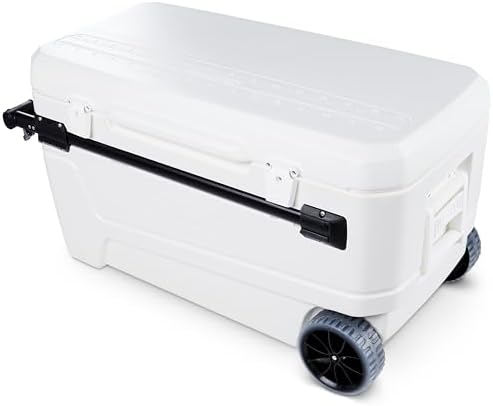
Best 110 qt Coolers in 2026: 3 Top Picks + Buying Guide

Best Multi Fuel Backpacking Stoves in 2026: 3 Top Picks + Buying Guide

Best Coleman Portable Grills: Which Model Suits Your Trips? (2026)

Best Infrared Portable Grills (2026): 3 Picks for Real Trips and Real Weather

Best Coolers Under $50 in 2026: 3 Great Value Picks + Buying Tips

Best Dual Zone 12v Fridges in 2026: 3 Top Picks + Buying Guide

Best 12v Fridges for RV in 2026: 3 Top Picks + Buying Guide
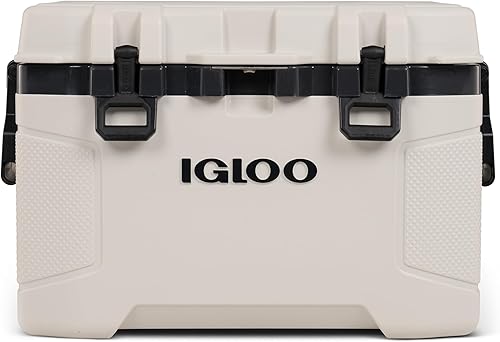
Best Coolers Under $100 in 2026: 3 Great Value Picks + Buying Tips