Best RV Air Conditioners of 2026: Our 3 Top Picks + Buying Guide
A dead rooftop unit in July can end an RV trip faster than a flat tire. Replacing it is not like buying a window unit for a bedroom, either. You have to match the roof opening, the ceiling thickness, your electrical service and the power your generator or shore line can deliver. Get any of those wrong and the new air conditioner may not fit, may trip breakers, or may not run at all when you are off-grid.
Picking the best rv air conditioner starts with your rig, not the spec sheet. In this guide we compare three rooftop picks on compatibility with your RV (amps, size and voltage), reliability and safety, and ease of installation. We also explain BTU sizes, ducted and non-ducted setups, heat pumps and heat strips, power use while boondocking, and what each price tier buys you.
For most RV owners, our top pick is the RecPro 13.5K Non-Ducted RV Air Conditioner, a well-rated unit with a remote, an LED touch display and a low-amp design, according to RecPro.
Compare Products

RecPro RV Air Conditioner 13500 BTU Cooling Only | Quiet
- ALK Score9.0
Gigacamping Score is a ranking system developed by Coffeecraze.org. Gigacamping Score has no relationship or impact with any manufacturers or sales agent websites. Learn more
- BrandRecPro

TURBRO RV Air Conditioner 15,000 BTU with 1,500W Heat 115V
- ALK Score8.0
Gigacamping Score is a ranking system developed by Coffeecraze.org. Gigacamping Score has no relationship or impact with any manufacturers or sales agent websites. Learn more
- BrandTURBRO

TOSOT 16000 BTU RV Air Conditioner, 43dB Ultra Quiet, White
- ALK Score8.6
Gigacamping Score is a ranking system developed by Coffeecraze.org. Gigacamping Score has no relationship or impact with any manufacturers or sales agent websites. Learn more
- BrandTOSOT

RecPro RV Air Conditioner 15K Ducted | Quiet AC with
- ALK Score8.6
Gigacamping Score is a ranking system developed by Coffeecraze.org. Gigacamping Score has no relationship or impact with any manufacturers or sales agent websites. Learn more
- BrandRecPro

- ALK Score8.2
Gigacamping Score is a ranking system developed by Coffeecraze.org. Gigacamping Score has no relationship or impact with any manufacturers or sales agent websites. Learn more
- BrandFurrion
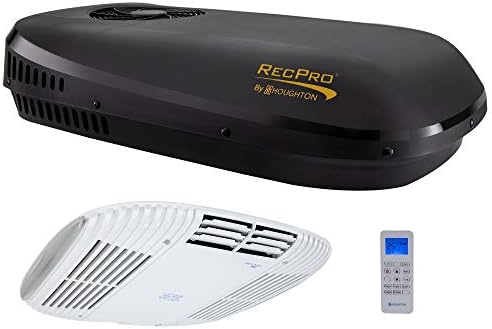
RecPro RV Air Conditioner Low Profile 9.5K Non-Ducted | Quiet
- ALK Score8.6
Gigacamping Score is a ranking system developed by Coffeecraze.org. Gigacamping Score has no relationship or impact with any manufacturers or sales agent websites. Learn more
- BrandRecPro
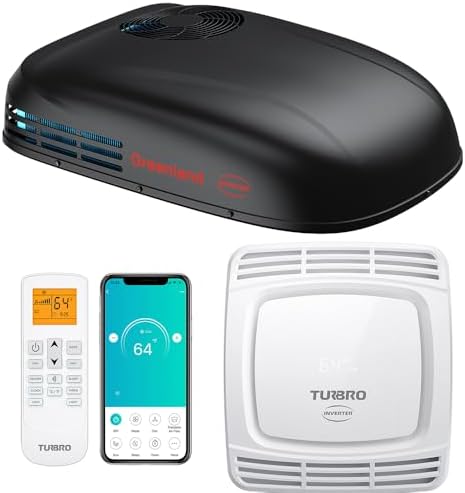
TURBRO Inverter 13.5K BTU RV Air Conditioner with Cooling and
- ALK Score8.0
Gigacamping Score is a ranking system developed by Coffeecraze.org. Gigacamping Score has no relationship or impact with any manufacturers or sales agent websites. Learn more
- BrandTURBRO

- ALK Score8.4
Gigacamping Score is a ranking system developed by Coffeecraze.org. Gigacamping Score has no relationship or impact with any manufacturers or sales agent websites. Learn more
- BrandN/A

Dometic FreshJet 3 Series, 15K BTU RV Rooftop Air Conditioner
- ALK Score8.2
Gigacamping Score is a ranking system developed by Coffeecraze.org. Gigacamping Score has no relationship or impact with any manufacturers or sales agent websites. Learn more
- BrandDometic

- ALK Score8.2
Gigacamping Score is a ranking system developed by Coffeecraze.org. Gigacamping Score has no relationship or impact with any manufacturers or sales agent websites. Learn more
- BrandN/A
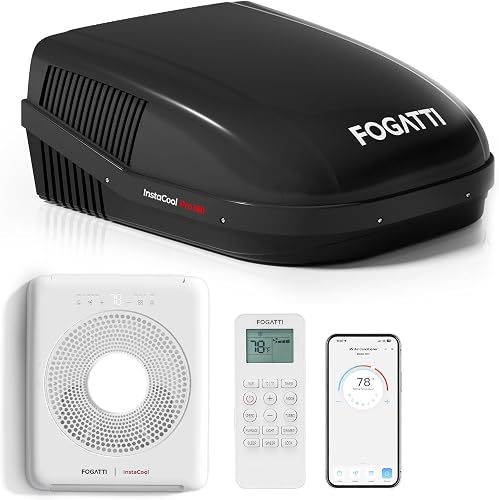
FOGATTI RV Air Conditioner 18K BTU, Cooling Only, Ducted, Black
- ALK Score9.0
Gigacamping Score is a ranking system developed by Coffeecraze.org. Gigacamping Score has no relationship or impact with any manufacturers or sales agent websites. Learn more
- BrandN/A

- ALK Score9.2
Gigacamping Score is a ranking system developed by Coffeecraze.org. Gigacamping Score has no relationship or impact with any manufacturers or sales agent websites. Learn more
- Brandoutequip

- ALK Score8.4
Gigacamping Score is a ranking system developed by Coffeecraze.org. Gigacamping Score has no relationship or impact with any manufacturers or sales agent websites. Learn more
- BrandIvation
Last update on 2026-10-09 / Affiliate links / Images, Product Titles, and Product Highlights from Amazon Product Advertising API
Here is a side-by-side look at our three picks. Rather than a top 10 rv air conditioner list of units that look alike from the roof, we chose one clear pick per budget. Prices move often on Amazon, so use the buttons to check the current price of each best rated rv air conditioner.
| Award | Product | Key spec (compatibility with your RV (amps, size, voltage), reliability & safety) | Best for | Price |
|---|---|---|---|---|
| Best Overall | RecPro 13.5K Non-Ducted RV Air Conditioner | 13,500 BTU; 115V; non-ducted version; 59.7 dB listed | Most travel trailers and motorhomes | Check Price on Amazon |
| Best Budget (Under $800) | TURBRO RV Air Conditioner 15,000 BTU with Heat | 15,000 BTU cooling, 1,500W heat; 115V plus 12V DC; 14.25 x 14.25 in opening | RVs up to 23 ft on a tighter budget | Check Price on Amazon |
| Best Premium / Upgrade Pick | TOSOT 16000 BTU RV Air Conditioner | 16,000 BTU cooling, 12,500 BTU heat pump; 110V; 43 dB listed; ETL listed | Quiet cooling and shoulder-season heat | Check Price on Amazon |
These mini-reviews are short on purpose. Each one explains why the unit earned its award, based on maker specifications, listing details and Amazon rating history.
1. Best Overall: RecPro 13.5K Non-Ducted RV Air Conditioner
RecPro 13.5K Non-Ducted RV Air Conditioner, Cooling Only
- Cooling: 13,500 BTU; 115V; listed wattage 1,300 W
- Noise: 59.7 dB (maker figure)
- Controls: wireless remote and LED touch display with cool, dry, fan, sleep and timer modes
- Build: non-ducted version (RecPro sells a separate ducted model); UV-resistant plastic shroud
Why it made the list: The RecPro 13.5K balances cooling, noise and ease of use at a price well below the big legacy brands. RecPro says the unit is engineered for a low amp draw, which helps when you run other appliances at the same time or rely on a generator or solar setup. It is highly rated by buyers from a couple hundred Amazon ratings at the time of writing, the strongest rating among the rooftop units we compared, and a good case for the best rv air conditioner for the money.
For everyday camping, the included remote and touch display are the practical wins. You can switch modes from bed and set a sleep timer without wiring a wall thermostat. The 13,500 BTU size is the most common rooftop rating, so it suits most single-unit travel trailers and small motorhomes.
Highlights:
- No thermostat wiring needed thanks to the remote and built-in display.
- Dry mode helps pull humidity out on muggy nights.
- Aerodynamic profile designed to cut drag, per RecPro.
Trade-off:
- It is cooling only, so you still need a furnace or heater for cold mornings.
Best for: Travel trailer and motorhome owners replacing a standard 13,500 BTU rooftop unit.
2. Best Budget (Under $800): TURBRO RV Air Conditioner 15,000 BTU with Heat
TURBRO RV Air Conditioner 15,000 BTU with 1,500W Heat
- Cooling and heat: 15,000 BTU cooling; 1,500 W electric heating; fan and dry modes
- Efficiency and noise: 9.6 EER; as low as 52 dB (maker figures)
- Fit: RVs up to 23 ft; 14.25 x 14.25 in roof opening; ceiling thickness 1.02 to 3.93 in
- Power: needs 120V AC and 12V DC connections; soft starter recommended on a generator
Why it made the list: No credible rooftop unit sells for under $700 on Amazon right now, so we raised this award to under $800. The TURBRO is the most credible option at that price, with a solid buyer rating from a smaller pool of about fifty ratings. On paper it offers more than our overall pick: extra BTU, a heat strip and app control. We rank it lower because its rating record is thinner and its average is lower.
The listing is unusually clear about installation, which helps you check compatibility before you buy. It names the roof opening, the ceiling thickness range, the need for both 120V AC and 12V DC wiring, and it recommends a soft starter if you power it from a small generator.
Highlights:
- Electric heat strip for chilly nights when you have shore power.
- Remote and smart app control, plus a sleep mode.
- Clear fit guidance for opening size and ceiling thickness.
Trade-off:
- The rating pool is small, and the complete unit may arrive in multiple packages.
Best for: Owners of RVs up to 23 feet who want cooling plus backup heat at the lowest credible price.
3. Best Premium / Upgrade Pick: TOSOT 16000 BTU RV Air Conditioner
TOSOT 16000 BTU RV Air Conditioner, 43dB Ultra Quiet
- Cooling and heat: 16,000 BTU cooling; 12,500 BTU heat pump; works from 23°F to 115°F ambient (maker figures)
- Noise: 43 dB listed
- Controls: remote plus Wi-Fi via the Gree+ app; cool, heat, dry and fan modes
- Fit and safety: non-ducted; fits standard 14.25 x 14.25 in openings; ETL certified and 2-year warranty per listing
Why it made the list: The TOSOT is the upgrade for campers who care most about noise and year-round use. TOSOT lists it at 43 dB, much quieter than most rooftop units in this guide, and adds a heat pump for spring and fall mornings. It is well rated by buyers from well over a hundred Amazon ratings and carries a 2-year warranty and ETL certification, according to the listing.
TOSOT says it suits RVs from 16 to 24 feet, including Class B and Class C motorhomes, travel trailers and teardrops. The heat pump is best for shoulder seasons, so plan on your furnace for real cold.
Highlights:
- Quietest listed noise level of our picks.
- Heat pump saves propane on mild cool mornings.
- Wi-Fi app control in addition to the remote.
Trade-off:
- It ships in two separate packages and is non-ducted only, so it is not a drop-in for ducted rigs.
Best for: Light sleepers and shoulder-season campers in small to mid-size RVs.
We did not do hands-on testing. Instead, we researched and compared rooftop units on five criteria: compatibility with your RV (amps, size and voltage), reliability and safety, ease of installation, features, and warranty and value.
Our data came from maker specifications on each Amazon listing (BTU, voltage, wattage, noise, roof opening size, heating options, warranty and safety listings) and rating patterns, meaning the average star rating and total rating volume at the time of writing. We checked that each pick is sold new on Amazon US. When a listing's bullets looked like they belonged to another product, or when a model no longer appeared in the maker's current lineup, we left it out.
RV air conditioners are a thin category on Amazon, with many new brands and few ratings. We favored units with at least a few dozen ratings over unrated listings, even when the unrated units looked cheaper. If you have searched for best rv air conditioner consumer reports, you will find plenty of opinions, but our picks come only from this research.
The right unit depends on your RV's size, roof opening, ceiling, electrical service and how you camp. These are the decisions that matter most.
Size & form factor
- 13500 btu: the most common rooftop rating; fits most single-AC travel trailers and small motorhomes.
- 15000 btu: more cooling for larger rigs, hot climates or dark roofs, at a higher power draw.
- Low profile: a shorter shroud that reduces height and drag; useful when clearance matters.
- Ducted: sends air through ceiling ducts to several vents; needs a ducted ceiling assembly.
- Non ducted: blows air straight down from a ceiling unit under the AC; simpler and common on smaller RVs.
Type
- Rooftop: the standard RV setup, mounted over a 14.25 x 14.25 in roof opening.
- Quiet: units with published low dB ratings, like the TOSOT.
- Low profile: slimmer shrouds for height limits.
- Heat pump: cools and heats efficiently in mild weather.
- Ducted: for rigs with ceiling ducts and multiple vents.
- Non ducted: single-outlet ceiling units.
- Inverter: variable-speed compressors that can reduce startup surges; none of our picks list inverter compressors.
- 12v: DC units for vans and battery systems, a separate niche.
- Portable: floor units vented through a window; a stopgap, not a rooftop replacement.
Features worth paying for
- Heat pump: efficient heat on cool mornings, like the TOSOT.
- Heat strip: electric resistance heat, like the TURBRO's 1,500 W element.
- Remote: lets you change settings without wiring a wall thermostat.
- Soft start: reduces the startup surge, which helps small generators and some battery systems run an AC. TURBRO recommends one for generator use.
Match specs to your rig (30A/50A, 12V/120V, dimensions)
Most rooftop units run on 120V AC. A 30A RV can usually run one air conditioner, while two units often call for 50A service or careful load management. Many units also need 12V DC for controls; the TURBRO lists both. Measure your roof opening (the common size is 14.25 x 14.25 in), check your ceiling thickness against the maker's range, and confirm your roof can carry the unit's weight.
Installation: DIY or pro
Many owners install rooftop units themselves, since most use the existing opening and bolt through a ceiling assembly. Still, you are working on a roof with heavy equipment and 120V wiring. If you are not comfortable with roof work, sealing, or electrical connections, hire an RV technician. Ask two people to help lift the unit, and follow the maker's manual.
Power use & boondocking
Air conditioners are the biggest power draw in most RVs. Listed wattage for our picks runs from about 1,300 W to about 1,700 W while running, and startup surges are higher. For boondocking, you need a generator sized for the surge, often with a soft starter, or a large battery bank and inverter. Check the maker's specs and your generator's surge rating before you rely on off-grid AC.
Warranty & support
Warranty terms vary: TOSOT lists 2 years, and other makers set their own terms. Look for a brand that sells replacement ceiling assemblies, filters and parts, and keep your receipt and installation records, since some warranties require proper installation.
How much should you spend?
- Under $800: the lowest credible rooftop units right now, such as the TURBRO, with smaller rating pools. Nothing credible sells for less.
- Under $1000: well-rated 13,500 BTU units like the RecPro.
- Under $1500: quieter units with heat pumps, Wi-Fi control or higher BTU, like the TOSOT.
- Under $2000: big-brand low-profile and high-efficiency units, plus ducted systems.
Different rigs and camping styles call for different units. Use this list to jump to a more focused guide.
- For heating as well as cooling: a heat pump unit handles cool mornings without burning propane. See our best rv air conditioner with heat pump guide.
- For vans and battery systems: a DC unit runs directly from a battery bank. Read our best 12v rv air conditioner picks.
- For rigs with ceiling ducts: a ducted unit spreads air through several vents. Our best ducted rv air conditioner guide covers the options.
- For smaller trailers and simple swaps: a non-ducted unit with its own ceiling assembly is the easiest install. Check our best non ducted rv air conditioner guide.
- For light sleepers: choose a unit with a published low dB rating, like the TOSOT at 43 dB.
- For hot climates and big rigs: step up to 15,000 BTU or add a second unit if your electrical service allows it.
If you are unsure which category fits, start with your roof opening and ceiling type. Those two details narrow the list faster than BTU or brand.
What is the best RV air conditioner?
For most RV owners, the RecPro 13.5K Non-Ducted is the best rv air conditioner. It has the strongest rating record of the units we compared, a remote and touch display, and a low-amp design, according to RecPro. The TURBRO 15,000 BTU is the budget pick, and the TOSOT 16000 BTU is the quiet upgrade.
How long does a RV air conditioner last?
It depends on use, climate and maintenance, so no single number applies. Fans, capacitors, seals and compressors wear over time. Cleaning filters, keeping the coils clear, checking the roof gasket and running the unit on stable power all help an rv air conditioner last longer.
Is a RV air conditioner worth it?
Yes, if you camp in warm weather or travel with pets or kids. A working rooftop unit makes summer trips comfortable and helps with humidity. If you have searched for best rv air conditioner reddit, our practical answer stays the same: match the unit to your roof, ceiling and power first.
How do you clean a RV air conditioner?
Turn off power first. Remove and wash the return air filters in the ceiling assembly regularly. On the roof, remove the shroud and gently clean the coils and clear debris, following the maker's manual. Check the roof gasket for cracks. Never pressure-wash the coils or open refrigerant lines.
What is the most reliable RV air conditioner brand?
Dometic and Coleman Mach are long-established RV brands, while RecPro, TOSOT and TURBRO are newer names with growing rating pools on Amazon. The most reliable rv air conditioner for you is one with parts support, a clear warranty and ratings you can trust. Compare those before choosing by brand.
The RecPro 13.5K Non-Ducted RV Air Conditioner is the best rv air conditioner for most owners. It pairs a standard 13,500 BTU size with a remote, a touch display, a listed 59.7 dB noise level and the best rating record of the units we compared, which also makes it our pick as the best rv air conditioner to buy for a typical replacement.
If you need to spend less, the TURBRO 15,000 BTU with Heat is the most credible unit under $800, with a heat strip and clear fit guidance. For quiet nights and shoulder-season heat, the TOSOT 16000 BTU adds a heat pump, Wi-Fi control and a listed 43 dB noise level.
Check price on Amazon with the buttons above, and read our focused guides on heat pump, ducted, non-ducted and 12V units before you order.


Best RV Surge Protectors of 2026: Our 3 Top Picks + Buying Guide

Best Wired RV Backup Cameras in 2026: 3 Top Picks + Buying Guide
Best Hardwired RV Surge Protectors in 2026: 3 Top Picks + Buying Guide

Best Waterproof RV Covers in 2026: 3 Top Picks + Buying Guide

Best Short Queen RV Mattresses in 2026: 3 Top Picks + Buying Guide

Best Firm RV Mattresses in 2026: 3 Top Picks + Buying Guide
Best Portable RV Surge Protectors in 2026: 3 Top Picks + Buying Guide

Best RV Backup Cameras of 2026: Our 3 Top Picks + Buying Guide