Best Self Inflating Sleeping Pads in 2026: 3 Top Picks + Buying Guide
Sleeping pads are critical gears for camping and hiking activities for two main reasons. It provides a comfortable cushion for the camper to sleep at night while also protecting the user from the low temperatures of the ground. The first step in choosing a sleeping pad is to determine the type of pad that will suit you best.
Related Post: Choosing the Best Sleeping Bag for Cold Weather Camping and Backpacking
Air pads pack tiny but can feel like sleeping on a pool float, and foam pads are tough but thin. Self-inflating pads sit in the middle: open-cell foam inside an airtight shell that expands when you open the valve. The catch is that they vary a lot in thickness, weight and warmth. The best self inflating sleeping pad for you depends on whether you carry it on your back or in the trunk. We compared three self-inflating picks on weight and packed size, durability and weather resistance, and comfort and ease of setup. Our top pick is the Therm-a-Rest Trail Pro, a 3-inch pad with a 4.4 R-value that works for backpacking and car camping alike.
Compare Products

Sea to Summit Comfort Light Self-Inflating Foam Sleeping Pad for
- ALK Score9.0
Gigacamping Score is a ranking system developed by Coffeecraze.org. Gigacamping Score has no relationship or impact with any manufacturers or sales agent websites. Learn more
- BrandSea to Summit

LOSTHORIZON Airsoft 4.5” Thick Self Inflating Sleeping Pad with Solid
- ALK Score9.2
Gigacamping Score is a ranking system developed by Coffeecraze.org. Gigacamping Score has no relationship or impact with any manufacturers or sales agent websites. Learn more
- BrandLOSTHORIZON

Coleman Self-Inflating Sleeping Pad with Pillow
- ALK Score8.0
Gigacamping Score is a ranking system developed by Coffeecraze.org. Gigacamping Score has no relationship or impact with any manufacturers or sales agent websites. Learn more
- BrandN/A

Therm-a-Rest Basecamp Self-Inflating Foam Camping Sleeping Pad, Large - 25
- ALK Score9.2
Gigacamping Score is a ranking system developed by Coffeecraze.org. Gigacamping Score has no relationship or impact with any manufacturers or sales agent websites. Learn more
- BrandTherm-a-Rest

- ALK Score9.4
Gigacamping Score is a ranking system developed by Coffeecraze.org. Gigacamping Score has no relationship or impact with any manufacturers or sales agent websites. Learn more
- BrandTherm-a-Rest

OGERY Self-Inflating Sleeping Pad, 3" Memory Foam Camping Mattress
- ALK Score9.4
Gigacamping Score is a ranking system developed by Coffeecraze.org. Gigacamping Score has no relationship or impact with any manufacturers or sales agent websites. Learn more
- BrandN/A

Therm-a-Rest MondoKing 3D Self-Inflating Camping Sleeping Pad
- ALK Score9.2
Gigacamping Score is a ranking system developed by Coffeecraze.org. Gigacamping Score has no relationship or impact with any manufacturers or sales agent websites. Learn more
- BrandN/A

TOBTOS Self Inflating Camping Sleeping Pad with Pillow, Thick 6
- ALK Score8.8
Gigacamping Score is a ranking system developed by Coffeecraze.org. Gigacamping Score has no relationship or impact with any manufacturers or sales agent websites. Learn more
- BrandTOBTOS
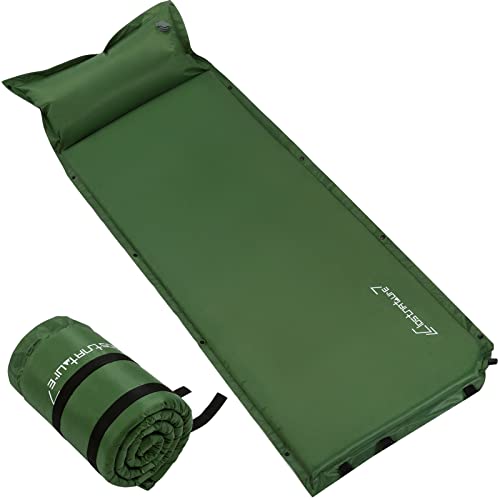
Clostnature Self Inflating Sleeping Pad for Camping - 1.5/2/3 inch
- ALK Score8.6
Gigacamping Score is a ranking system developed by Coffeecraze.org. Gigacamping Score has no relationship or impact with any manufacturers or sales agent websites. Learn more
- BrandClostnature
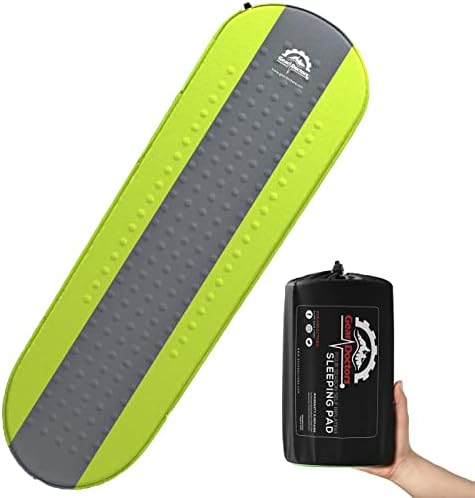
Gear Doctors Self Inflating Camping Sleeping Pad for Camping 4.3
- ALK Score8.6
Gigacamping Score is a ranking system developed by Coffeecraze.org. Gigacamping Score has no relationship or impact with any manufacturers or sales agent websites. Learn more
- BrandGear Doctors
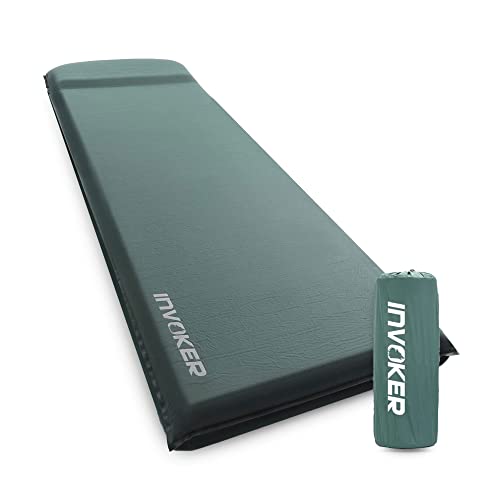
INVOKER 3 Inch UltraThick Self Inflating Lightweight Memory Foam Sleeping
- ALK Score9.2
Gigacamping Score is a ranking system developed by Coffeecraze.org. Gigacamping Score has no relationship or impact with any manufacturers or sales agent websites. Learn more
- BrandINVOKER

- ALK Score9.6
Gigacamping Score is a ranking system developed by Coffeecraze.org. Gigacamping Score has no relationship or impact with any manufacturers or sales agent websites. Learn more
- BrandTherm-a-Rest
Last update on 2023-04-08 / Affiliate links / Images, Product Titles, and Product Highlights from Amazon Product Advertising API
Here is our best self inflating sleeping pad 2026 shortlist. Every pick uses a foam core with a self-inflating valve. Prices change often, so tap a button to see today's price.
| Award | Product | Key spec | Best for | Check price |
|---|---|---|---|---|
| Best Overall | Therm-a-Rest Trail Pro | 3 in thick; R-value 4.4; WingLock valve; patch kit and stuff sack | Backpacking and car camping, year-round | Check Price on Amazon |
| Best Budget (Under $30) | Clostnature 1.5in Self Inflating Pad | 1.5 in foam; attached pillow; rolls to 13 x 6 x 6 in; 3.1 lb | Budget car camping and cots | Check Price on Amazon |
| Best Premium / Upgrade Pick | Exped MegaMat, Medium Wide | 4 in open-cell foam; R-value 8.1; vertical sidewalls; top-up pump | Car camping, SUVs and cold nights | Check Price on Amazon |
1. Best Overall: Therm-a-Rest Trail Pro
Therm-a-Rest Trail Pro Self-Inflating Sleeping Pad
- Thickness and warmth: 3 in thick, R-value 4.4
- Valve: WingLock valve, inflates 3x faster than a standard valve (per Therm-a-Rest)
- Build: StrataCore construction; made in the USA
- Included: stuff sack and patch kit; limited lifetime warranty (per listing)
Why it made the list: Therm-a-Rest calls the Trail Pro one of the thickest self-inflating backpacking pads, and its 4.4 R-value is enough for camping in every season, per the maker. That makes it a rare pad that works on a backpacking trip and at a car campsite. It is highly rated by buyers, with hundreds of ratings, the top rated self inflating sleeping pad in our shortlist.
Highlights:
- Warm enough for year-round use, per Therm-a-Rest
- Fast inflation and deflation valve
- Patch kit included
Trade-off:
- Heavier and bulkier than an air pad of similar warmth
Best for: Campers who want one best self inflating backpacking sleeping pad that also works in the car.
2. Best Budget (Under $30): Clostnature 1.5in Self Inflating Pad
Clostnature 1.5in Lightweight Self Inflating Sleeping Pad
- Size: 75 x 24 x 1.5 in open; rolls to 13 x 6 x 6 in
- Weight: 3.1 lb
- Warmth: R-value up to 4 (per maker)
- Extras: attached pillow, two straps and storage sack; one-year guarantee

Why it made the list: Most pads under $30 are thin air mats. This is a true self-inflating foam pad at that price, with a waterproof fabric and a pillow built in. It is well rated by buyers, with thousands of ratings, which makes it our best value self inflating camping pad.
Highlights:
- Real foam core for less
- Attached pillow saves packing one
- One-year guarantee from the maker
Trade-off:
- 1.5 in is thin for side sleepers
Best for: Budget car campers, cot users and scouts.
3. Best Premium / Upgrade Pick: Exped MegaMat, Medium Wide
Exped MegaMat Sleeping Pad, Medium Wide
- Thickness: 4 in open-cell foam with air-core channels
- Warmth: R-value 8.1 (per listing)
- Shape: 3D vertical sidewalls, no tapering
- Extras: top-up pump for firmness, welded side handle, repair patch
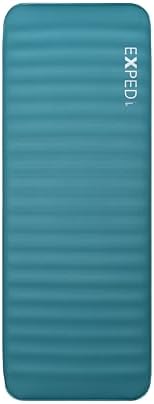
Why it made the list: The MegaMat is built like a home mattress for the campsite. Vertical sidewalls keep the full width usable, and the high R-value suits cold ground and car floors in shoulder season. Exped says it works in a tent or as an SUV mattress. It is well rated by buyers across a rating pool of about 400 shared by the MegaMat line.
Highlights:
- Very warm for cold nights
- Thick enough for side sleepers
- Recycled stretch tricot top fabric
Trade-off:
- Far too heavy and bulky for backpacking
Best for: Car campers and overlanders who want the best self inflating camping mattress for comfort.
We researched and compared these pads; we did not test them. The usual shortlisted models (NeoAir XLite and XTherm, Z Lite Sol, NEMO Tensor, Sea to Summit Ether Light) are mostly air or foam pads, not self-inflating, so we searched self-inflating models and compared:
- Weight and packed size
- Durability and weather resistance: shell fabric and valve
- Comfort and ease of setup: thickness, width and inflation
- Features for the campsite: pillows, pumps, patch kits
- Warranty and value
We used maker specs and weighed ratings with rating counts. If you have searched for best self inflating sleeping pad reddit threads or self inflating sleeping pad reviews, our practical answer stays the same: these picks come only from this research.
Size & form factor
- Double: Two-person pads for couples at car camps.
- Wide: About 25 in or more; better for side sleepers.
- Long: For sleepers over 6 ft.
- Regular: The usual 20 x 72 in size.
- Short: Torso-length pads to save weight.
- Extra thick: 4 in or more for car camping comfort.
- 4 inch: Mattress-like comfort, like the MegaMat.
- 3 inch: A good balance for mixed use, like the Trail Pro.
Type
- Inflatable: Air pads; lightest, but can feel bouncy. See our best ultralight sleeping pad picks.
- Self inflating: Foam plus air; stable and warm.
- Foam: Simple pads that cannot leak.
- Closed cell foam: Tough, cheap and light; see our best foam sleeping pad guide.
- Insulated: Pads with a stated R-value for warmth.
- Ultralight: Minimal weight, usually air pads.
- 4 season: Pads warm enough for winter, R-value around 5 or more.
- High R value: Better insulation from cold ground.
Features worth paying for
- Pump sack: Tops up a self-inflating pad without moisture from your breath.
- Pillow: An attached pillow, like the Clostnature's, saves space.
- Built in pump: Rare on self-inflating pads; the MegaMat includes a separate top-up pump.
Weight vs comfort: car camping or backpacking
For backpacking, keep a self-inflating pad around 1 to 2.5 inches and under about 3 lb; see our best sleeping pad for backpacking guide. For car camping, go thick and wide.
Weather & season ratings
R-value measures insulation. Summer camping needs about 2, three-season 3 to 4, and winter 5 or more. Pads can be stacked to add R-value.
Setup, packing & storage
Open the valve and let the pad expand, then top it up. Before first use, Therm-a-Rest advises leaving the pad inflated for a few hours. Store self-inflating pads unrolled with the valve open so the foam keeps its spring.
Materials, repairs & warranty
Look for durable shell fabrics and a strong valve. Carry a patch kit; Therm-a-Rest and Exped include one. Therm-a-Rest lists a limited lifetime warranty for the Trail Pro, and Clostnature offers a one-year guarantee.
How much should you spend?
- Under $30: Thin self-inflating pads like the Clostnature.
- Under $50: Thicker budget self-inflating pads with pillows.
- Under $100: 3 to 4 in pads from value brands.
- Under $200: Name-brand pads like the Therm-a-Rest Trail Pro.
Premium mattresses like the Exped MegaMat can cost more than the top tier.
A self inflating sleeping pad is more stable than an air pad and warmer than a thin foam pad of similar weight, and it still works, if firmer, if it gets a small leak. The trade-offs are bulk and weight compared with air pads.
| Factor | Self inflating | Air pad | Closed cell foam |
|---|---|---|---|
| Comfort | Stable | Thick, can bounce | Firm, thin |
| Packed size | Medium | Smallest | Largest |
| Puncture risk | Some | Highest | None |
| Setup | Open valve, top up | Pump or breath | Unroll |
Choose self-inflating for car camping and mixed trips; choose air for ultralight backpacking.
What is the best self inflating sleeping pad?
For most campers, the Therm-a-Rest Trail Pro is the best self inflating sleeping pad. It is 3 inches thick with a 4.4 R-value, a fast WingLock valve and a limited lifetime warranty per the listing. The Clostnature 1.5in is our budget pick under $30, and the Exped MegaMat is the premium choice.
Are self inflating sleeping pads worth it?
Yes, for most car campers and many backpackers. They are stable, warm and quick to set up, and the foam still gives some cushion if the pad leaks. If every ounce counts, an air pad packs smaller, and if you want zero failure risk, a closed cell foam pad is simpler.
How long does a sleeping pad last?
Makers do not publish a standard lifespan. A self-inflating pad lasts longest when stored unrolled with the valve open, kept away from sharp objects and cleaned after trips. Valves and seams wear first. A patch kit fixes most punctures, so a quality pad can last many seasons.
Is a sleeping pad worth it?
Yes. The ground pulls heat from your body faster than cold air, so a pad keeps you warm as much as comfortable. Even a good sleeping bag feels cold without one. A pad also smooths out rocks and roots for a better night at camp.
How do you clean a sleeping pad?
Close the valve, then wipe the pad with warm water and mild soap using a soft cloth. Rinse with a damp cloth and let it dry fully, unrolled with the valve open, before storing. Avoid harsh cleaners and never machine wash it. Check for punctures while it dries.
What is the most reliable sleeping pad brand?
No single brand is most reliable, but Therm-a-Rest, Exped and NEMO are well-established makers, and Therm-a-Rest's pads carry large Amazon rating pools. Look for clear R-values, a patch kit and warranty support. Those signals matter more than the logo.
The Therm-a-Rest Trail Pro is our best self inflating sleeping pad for most campers. The Clostnature 1.5in is the budget pick under $30, and the Exped MegaMat is the premium upgrade for cold nights and car camping. Check price on Amazon for today's deals, and see our best sleeping pad guide for more options.


Best Big Agnes Sleeping Pads of 2026: Which Model Should You Buy?

Best Action Cameras for Surfing (2026): 3 Picks That Hold Up Outdoors

Best Heavy Duty Canopy Tents in 2026: 3 Top Picks + Buying Guide

Best First Aid Kits of 2026: Our 3 Top Picks + Buying Guide

Best Canopy Tents With Netting in 2026: 3 Top Picks + Buying Guide

Best Helmet Action Cameras (2026): 3 Picks That Hold Up Outdoors
Best Bear Sprays for Yellowstone in 2026: 3 Top Picks + Buying Guide
Best Action Cameras for Cycling (2026): 3 Picks That Hold Up Outdoors