Best Tent Don’t Pitch One Until You’ve Finished Reading
Whether you’re an absolute novice to the world of tents or a seasoned camper/backpacker, choosing the best one from the multitude of products that are currently on the market must seem tiresome, even daunting.
So, to save you the legwork, we did an exhaustive (and at times exhausting) research and prepared a short guide on how to choose the best tent depending on your needs and preferences. Enjoy the read!
Compare Products
- ALK Score8.6
Gigacamping Score is a ranking system developed by Coffeecraze.org. Gigacamping Score has no relationship or impact with any manufacturers or sales agent websites. Learn more
- BrandEVER ADVANCED

- ALK Score8.2
Gigacamping Score is a ranking system developed by Coffeecraze.org. Gigacamping Score has no relationship or impact with any manufacturers or sales agent websites. Learn more
- BrandFree Space

- ALK Score8.8
Gigacamping Score is a ranking system developed by Coffeecraze.org. Gigacamping Score has no relationship or impact with any manufacturers or sales agent websites. Learn more
- BrandColumbia
- ALK Score9.0
Gigacamping Score is a ranking system developed by Coffeecraze.org. Gigacamping Score has no relationship or impact with any manufacturers or sales agent websites. Learn more
- BrandBeyondhome
- ALK Score8.2
Gigacamping Score is a ranking system developed by Coffeecraze.org. Gigacamping Score has no relationship or impact with any manufacturers or sales agent websites. Learn more
- BrandKTT
- ALK Score9.0
Gigacamping Score is a ranking system developed by Coffeecraze.org. Gigacamping Score has no relationship or impact with any manufacturers or sales agent websites. Learn more
- BrandColeman
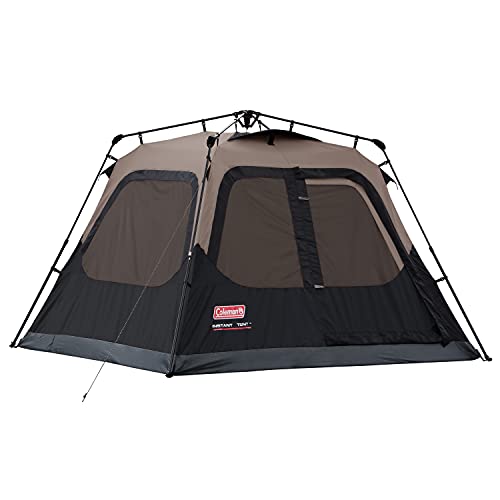
- ALK Score8.8
Gigacamping Score is a ranking system developed by Coffeecraze.org. Gigacamping Score has no relationship or impact with any manufacturers or sales agent websites. Learn more
- BrandColeman
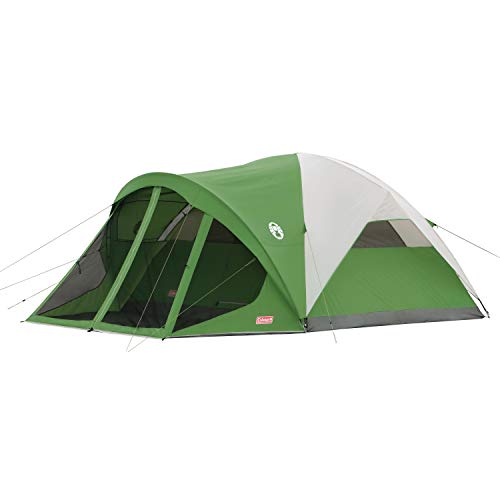
- ALK Score9.2
Gigacamping Score is a ranking system developed by Coffeecraze.org. Gigacamping Score has no relationship or impact with any manufacturers or sales agent websites. Learn more
- BrandColeman
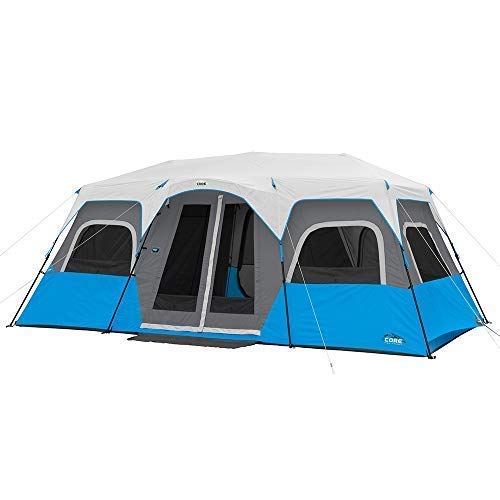
- ALK Score9.2
Gigacamping Score is a ranking system developed by Coffeecraze.org. Gigacamping Score has no relationship or impact with any manufacturers or sales agent websites. Learn more
- BrandCORE
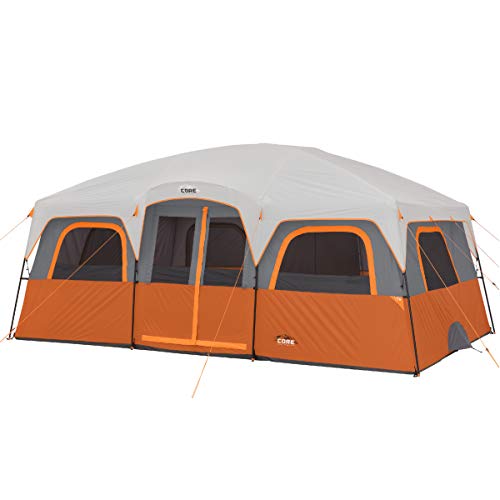
- ALK Score9.2
Gigacamping Score is a ranking system developed by Coffeecraze.org. Gigacamping Score has no relationship or impact with any manufacturers or sales agent websites. Learn more
- BrandCORE
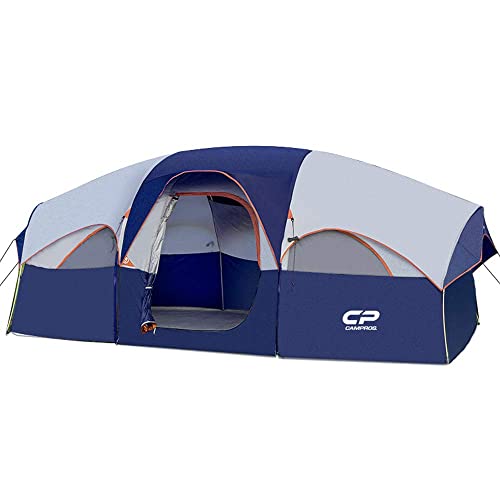
CAMPROS CP Tent-8-Person-Camping-Tents, Waterproof Windproof Family Tent, 5 Large Mesh
View on Amazon- ALK Score9.0
Gigacamping Score is a ranking system developed by Coffeecraze.org. Gigacamping Score has no relationship or impact with any manufacturers or sales agent websites. Learn more
- BrandCAMPROS CP

- ALK Score8.6
Gigacamping Score is a ranking system developed by Coffeecraze.org. Gigacamping Score has no relationship or impact with any manufacturers or sales agent websites. Learn more
- BrandLiamoy

- ALK Score8.6
Gigacamping Score is a ranking system developed by Coffeecraze.org. Gigacamping Score has no relationship or impact with any manufacturers or sales agent websites. Learn more
- BrandCiays
- ALK Score9.2
Gigacamping Score is a ranking system developed by Coffeecraze.org. Gigacamping Score has no relationship or impact with any manufacturers or sales agent websites. Learn more
- BrandCORE

- ALK Score9.0
Gigacamping Score is a ranking system developed by Coffeecraze.org. Gigacamping Score has no relationship or impact with any manufacturers or sales agent websites. Learn more
- Brandunp
- ALK Score8.8
Gigacamping Score is a ranking system developed by Coffeecraze.org. Gigacamping Score has no relationship or impact with any manufacturers or sales agent websites. Learn more
- BrandColeman
- ALK Score9.0
Gigacamping Score is a ranking system developed by Coffeecraze.org. Gigacamping Score has no relationship or impact with any manufacturers or sales agent websites. Learn more
- BrandColeman
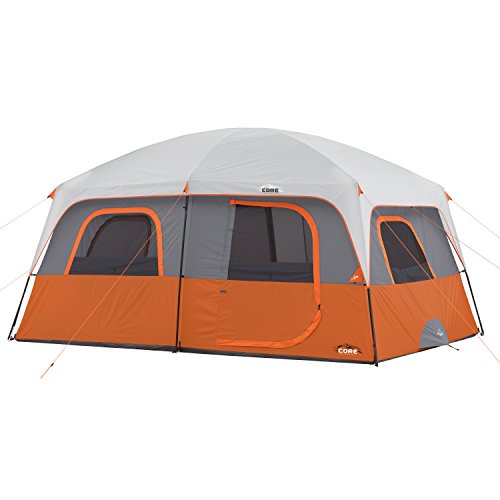
- ALK Score9.2
Gigacamping Score is a ranking system developed by Coffeecraze.org. Gigacamping Score has no relationship or impact with any manufacturers or sales agent websites. Learn more
- BrandCORE
Last update on 2023-04-08 / Affiliate links / Images, Product Titles, and Product Highlights from Amazon Product Advertising API
Ridge tents are what you might call the traditional tent you have a pole on either side, plus a horizontal one connecting them and supporting the roof, giving rise to the name.
This type is extraordinarily stable, easy to set up, and comes in all sizes, from the puny 1-person tents to the huge marquees that folks rent for weddings. The major downside with these puppies is the distinct lack of headroom.

Dome Tent
dome tents make use of flexible poles, which allows them to be, well… dome-shaped.
This, in turn, allows them to have more headroom than their ridge counterparts, although the stability progressively becomes an issue as you up the sizes.

Geodesic and Semi-geodesic Tent
Geodesic and semi-geodesic tents are an evolution of the dome shape, but instead of a couple of poles meeting in the middle, the poles crisscross across the entire surface, forming triangles.
The idea behind this is to give it more structural stability, which makes this model the best-suited tent for severe weather conditions.

Frame Tent
Frame tents are another take on the dome, only instead of flexible poles, you have the traditional rigid frame with angle joints. The frame is usually made of steel, so it’s pretty stable, albeit heavy. Regarding headroom, they're pretty close to domes.

Bell Tent
Bell tents are, alongside their ridge brethren, one of the oldest models. These are usually made using cotton canvas. This makes them ideal for warm weather, but on the flip side, also makes them a fair bit heavy. Also, they’re the go-to tent if you plan on cooking inside.

Tunnel Tent
Tunnel tents are pretty much what it reads on the tin a tunnel-shaped evolution of the dome. They’re a bit more stable, however, but suffer from high winds, as these are able to pick them up and fly them as kites unless they’re properly pegged down. These are some of the most popular family tents on the market as of now.

Coleman Elite WeatherMaster 6 Screened Tent,Multi Colored,6L x 9W ft
Vis-à-vis Tent
Vis-à-vis tents are another evolution of the dome aiming to make larger tents more stable and were first popularized in France. Basically, you have two annex rooms off to either side of a central area that faces each other (hence the name).
Pod Tent
Pod tents are essentially an evolution of the vis-à-vis type you have a central area, plus a number of sleeping compartments, either directly attached to the area as if wheel spokes or to one another (in which case they’re a tunnel-dome hybrid).
If you have a large family or teenage kids of mixed genders, this is probably the best way to go. Some models even allow you to choose the number of pods you want to attach without sacrificing the structural integrity, which is great if the number of campers in your group fluctuates.

Quick-pitch Tent
Another self-explanatory tent type is the quick-pitch or instant tent you get a sprung-driven frame that’s fitted within the fabric permanently, allowing you to spend precisely no minutes pitching it.
All you need to do is throw the unpacked tent into the air (the dramatic option) or unleash the coil (more sedate option), and the tent will set itself up. The downside is that the majority of these tents are only suitable for fair weather.

Inflatable Tent
Inflatable tents are the Moby Dick of tents everyone’s heard of them, but nobody’s seen them. All jokes aside, though, this type of tent is relatively rare on campsites, which is probably due to the fact it’s expensive and heavy as all heck.
On the flip side, if you do have the dough to shell out for it, you’ll have a wonderful feeling watching the compressor pitch it for you in a matter of minutes.

NTK Arizona GT 9 to 10 Person 17.4 by 8 Foot Sport Camping Tent 100% Waterproof 2500mm Tent
backpacking tent
As for backpacking tents, keep in mind that we’re not talking style or shape as much as weight here. Seeing as backpackers and thru-hikers have to carry all their gear on them, backpacking tents are designed to be lightweight and easy to pitch, albeit with very little in the way of headroom.
Seeing the impressive amount of products on the market, any categorization, let alone choosing the best tent is a thankless task. We shortlisted almost a dozen tent types according to their shape, but there are more ways to do it that further confound the matter, especially for the absolute novices.
In this section, we’ll go over the most important features you need to pay attention to in order to choose your next (or first) tent without regretting the choice.
What’s the Occasion?
The first thing you’ll need to decide on when buying the tent is (and this may surprise many) not your budget this is actually the last thing you should think of. No, the first thing you need to take into consideration is the purpose, or what you’ll be using the tent for.
The choices are camping, backpacking, or weddings, and weddings are more of a rental type of a deal than anything else. On a more serious note, though, there is a significant difference between camping and backpacking tents, one which many overlook when researching.
Backpacking tents must be lightweight because you'll be carrying the thing the entire trip over to where you plan to set it up. On the flip side, this does come at a slight cost in the way of resistance to the elements (less than ideal in thunderstorms).
camping tents, on the other hand, are better suited to withstand the elements, though they are heavier, and depending on their size/capacity, carrying them may be an issue. Basically, you need to ask yourself a question Car or shoelace-express?
For the purposes of this piece, we’ll be talking about the latter type, unless specified otherwise.
Layers
Another thing you should consider is the distinction between single- and double-wall tents. This is not so much a decision you need to take as it is a thing to be aware of.
In a nutshell, single-wall tents have one layer, which is the tent itself, while double-wall tents have the inner layer (the tent) plus another one (a rain fly). The main purpose of the former is to be breathable, while the objective of the latter is to be protective. Most quality camping tents will come as double-wall, with the option to order a backup or replacement fly separately.

Size Does Matter
Whether you’re a seasoned camper or an absolute novice, you’re probably aware that tents are advertised as being 2-person, 4-person, 6-person, you know the drill.
However, what novices are often not aware of is that, while this is indeed the capacity of the tent they’re getting, it’s also one that assumes everybody’s packed in tight, pretty much forcing you to meet your bunkmates real up close and personal.
What you want to look out for is the tent's footprint (the floor area, not to be confused with the ground cloth for tents that’s also called a footprint).
Fear not! Here’s some math that’ll help you not make a mistake (yup, there's a practical use for math outside the classroom, believe it or not).
Always take your height into consideration, and add about a foot to that number for stretching purposes, so that your feet and head aren’t crammed against the tent walls. On top of that, consider that you need about two to three feet in width to comfortably sprawl.
Assuming you’re an average-built, average-height adult that tends to pack lightly (and we do mean lightly, maybe an overnight or weekend trip), you can get away with as little as 15 sq. ft. of space. Realistically speaking, the minimum should be 25 sq. ft. per person, and that’s assuming you’re solo or a young couple still exploring each other.
If you’re a family with kids, especially on longer trips, think 30 sq. ft. and upwards, depending on how you’re accustomed to packing. On that note, you should take your kids’ age and gender into consideration when choosing, as well as their sleeping habits back home.
Young teens will need anything between 15 and 25 sq. ft. of space, while school-age kids can get by with less (they can take up the space along the walls that are too short for adults to comfortably sleep along). If you’re bringing toddlers with you, the math says you can fit two of them in the space the average person needs.
Finally, if you want to go all-out and bring sleeping cots, stoves, all manner of gear, kids’ toys and sporting equipment, or whatever else floats your boat, aim for 50 sq. ft. per person (irrespective of age).
Tent height is another important aspect you need to consider specifically, the peak height. Most tents will have gently sloping walls, so there’ll be an area in the middle where you can comfortably stand upright.
Make sure to plan with the tallest person in your group in mind six to seven feet sounds just about right for most cases, but you’re more likely to find something about 5 feet high.
Perhaps even more important than the tent’s peak height is the shape of its walls this affects the livability of a tent as it dictates how much room you have for your head and shoulders. As you can probably guess, the more vertical the sides, the more room you’ll have.
Single Tents
For those of you backpacking light, a single-person tent should suffice. These puppies are made with practicality in mind rather than comfort, so the floor space is somewhat limited, but on the flip side, they’re incredibly lightweight.

2-person tents
A 2-person tent could conceivably sleep two, but you’d have to be really comfortable with each other. Otherwise, you might find the typical footprint for this capacity rating (30-odd sq. ft.) a bit constricting, assuming you’re both packing a decent amount of gear. You might want to either pack light or sleep solo if you like to be comfy.
4-person Tents
On average, your typical 4-person tent should have a footprint of about 50 to 70 sq. ft. and sleep two people comfortably, giving you 25 to 30 sq. ft. per person.

Via Amazon.com
6-person Tents
A family of four should go lower than a 6-person tent, which provides 25 sq. ft. per adult, plus 20 sq. ft. per kid, or a total footprint of about 90 to 100 sq. ft.

8-person Tents
If you’re bringing your neighbor’s kids with you, or have a sizable family (say, 6 people), what you need is at least 120+ sq. ft. of space or an 8-person tent. This is also perfect for families of four going on a longer trip (and, hence, carrying more gear).

Coleman 8-Person Tent | Instant Family Tent
Carry Your Weight
Picking the right weight (if you do find yourself in a position to be able to pick) is dependent on two things – your personal preferences and style of camping, and in turn, impinges upon the size and the material (which nicely ties into both the previous and the following point we make in this article).
For your part, you need only ask yourself whether you’re walking to your camping site or driving. If you’re backpacking or trekking, it goes without saying you should go as lightweight as possible. In either of these scenarios, we’re talking about pulling your weight, so to speak – everyone carries their own.
Keep in mind that a backpacker’s tent makes about a third of the pack’s entire load, so if you manage to save some weight in this department, you’ll be able to carry more provisions or whatever else helps you enjoy your time in the boonies (an extra roll of quality toilet paper, perhaps?).
On a more serious note, though, here’s a duo of terms and specs that anyone bunking solo should get to know intimately (especially if you’re just getting interested in backpacking – minimum trail weight and packaged weight. (On that note, don’t ever go backpacking alone, or at least without someone knowing your exact location and travel plans.)
While both are fairly self-explanatory, they do warrant some explaining. The former is the bare essentials – the tent itself, plus the poles and potentially a rainfly (if the model you’re getting comes with one – remember the double-wall vs. single-wall distinction we made earlier?).
Conversely, the latter is the combined weight of all the odds and ends you need for raising the tent – the body itself, poles and stakes, rain fly, plus the carry sack, and whatever else the purchase includes (though the items we just listed are what you’ll typically see offered).
Now, if you’re driving, weight isn’t as much of an issue, but it plays second fiddle to raising the tent and then storing it back again.
In other words, you’ll still have to carry the whole setup and move it around, so if you have back problems or can’t deal with much weight for whatever reason, either have someone help you or, again, go as lightweight as possible.
Some types of tents, such as the quick-pitch ones, are ideal for those of you who just can’t deal with either the setup or lugging everything around – on the flip side, the majority of those are best suited for fair weather or a couple of days at an open-air music festival.
Picking the Right Material
As we touched upon earlier, most tents today will have two layers – the inner layer (the actual tent) and the outer layer (aka flysheet, aka rain fly).
When it comes to the former, there are just a couple of things you need to worry about – how breathable the material is and how well it keeps the condensation from dripping in.
In the majority of cases, you won't have much choice for the inner tent, but as long as the fabric is water-repellent and breathable, you’re good to go (or stay, rather). As for the latter, there’s a much wider range of fabrics to choose from, which is both a blessing and a curse.
On the one hand, the variety of fabrics is always welcome, as it means you’re almost guaranteed to pick something to suit your needs, but on the other hand, it makes reaching the decision that much harder. To save you the trouble, we shortlisted a few of the most common fabric types, each with its own advantages and disadvantages.
There are three main types (four, if you count Rip-Stop nylon as a separate kind) that make up the list – cotton canvas, polyester, and nylon.
Cotton Canvas
Cotton canvas used to be the staple fabric when it came to making tents, and it’s still somewhat used. The material is very much durable and adequate for all sorts of weather.
They were (and still are) made water-repellent by applying an oil- or wax-based coating. Obviously, this didn’t make them waterproof, but it prevented water absorption beautifully. The downside to this fabric is that it’s rather heavy. Of course, you’ll still find tents that are made of cotton canvas, but they are rather a niche market.
Polyester
Polyester is the second weightiest choice, so to speak, but it’s not nearly as heavy as cotton canvas. It’s rather similar to nylon (which we’ll discuss in a sec) but more resistant to heat and UV rays. It’s also less expensive than nylon, but not as widely used for tents as it is for making everyday clothes.
Nylon
Nylon, as mentioned, is more expensive than polyester, but it more than warrants it due to the exceptional durability it exhibits. This is by far the most popular tent fabric, and with good reason – it is incredibly lightweight and fully water-resistant even without coating.
Once you coat it (well, not you personally, obviously) with polyurethane, it becomes fully waterproof, as well, effectively sealing the fabric. On the flip side, this also makes the fabric rather non-breathable, at least not in the same measure as cotton canvas.
This is why the inner tent will be made of non-coated nylon, while the rain fly gets the treatment, so you get both breathability and protection from the elements.
Rip-stop Nylon
Rip-stop nylon is, much like the name would suggest, a type of nylon fabric that’s made even more durable by weaving a single heavier fiber every dozen stitches or so.
Granted, this also makes it a bit heavier, as well as somewhat more expensive. Naturally, just like regular nylon, rip-stop nylon is lightweight, durable, and does a great job of shedding water.
Other
While we’re on the subject, there are three other materials worth mentioning – polyethylene, fiberglass, and aluminum.
The former is another type of polymer (just like nylon and polyester), but this one’s completely waterproof even without coating, durable as you like it and rigid as all hell. Sure enough, you might find entire tents made of this material, but it’s more used for floors.
The latter two materials mentioned are used, as you may have already guessed, for the frame poles. Yes, aluminum is a heavier material than fiberglass, but the thing is that fiberglass poles are invariably wider (they have a larger diameter) and have thicker walls, so manufacturers use more of it.
This makes aluminum poles ultimately lighter, all things considered, as well as less expensive. Also, while fiberglass tubes shatter when under more pressure than they can take, the aluminum ones bend, so you could make some on-site repairs (i. e. bend them back) and use them until you’re able to get a replacement.
That said, if you do get fiberglass and something breaks, keep in mind that there’s nothing an ample amount of duct tape can’t fix.
While it’s generally true that heavier stuff is also the sturdier (huh, guess Grandpa was right all along – if it’s heavy, it’s quality), there are plenty of new materials that are both lightweight and durable thanks to the advances in technology. With that said, your best indicator of any given tent’s durability is its seasonality, which we’ll discuss presently.
Painting with a broad brush, there are three types of tents according to their seasonality (yup, that’s a word) – 3-season, extended season (aka 3+ season), and 4-season tents, which are pretty much what you’d reckon from reading the tins.
3+ Season Tents
3+ season tents are pretty much what it reads on the tin – just regular 3-season tents with some added features that make them suitable for early spring and late fall, as well.
This typically includes a couple or more poles to make them sturdier, as well as even more vertical walls so as to make more headroom within.
They’ll also have fewer mesh panels, which is great for keeping the interior warmer (though, on the flipside, this makes them a bit hotter in the summer than their conventional counterparts).
If you like to camp on high-elevation sites (i. e. the mountains), where you’re more exposed to the elements, then this just might be the thing for you.
On that note, if you frequent dry but cold areas, you might want to consider getting a single-wall 3+ season tent to minimize the load you have to carry.
As for the rainfly, you can either get it separately or just do without – the tent itself will usually be coated to make it waterproof.
Odds & Ends
Some other things to consider when choosing the best tent for your needs might not be as evident, or even necessary. That is, not until you get to the campsite and set everything up – then you actually realize what’s missing. So, to make sure you’re all set, go through the following list and check everything as you go along:
-
Doors
-
Vestibules
-
Extra rooms
-
Ventilation
-
Rainfly color
-
Guy lines
-
Stakes
Let’s do everything by the numbers – we’ll start with the doors. While everyone is perfectly willing to make the sacrifice and stoop down to get into the tent, not many consider how many doors they need. Sure enough, a single person or a pair, even a family with school-age kids won’t need more than one door.
However, if it’s four adults (particularly two couples), or parents with teenage kids, then the need for separate entrances becomes apparent. On the flipside, multiple doors usually add a bit to the price.
Next item – vestibules. For those not in the know, these are extensions of the rainfly that act as sort of antechambers, giving you additional sheltered space for your footwear or wet/bulky gear, as well as stoves or BBQ grills. While this added storage area is quite advantageous, it also adds to the price and weight.
Obviously, when we talk about extra rooms, we’re talking about family tents – but the question is which design to go for. There are some types, such as dome tents, that work well on a small scale (or normal scale, rather), but when you scale them up, you get an unstable structure.
So, what you’ll want to look for are pod, vis-à-vis, or tunnel tents, though you’ll want to be extra careful when pegging down the latter, as they tend to catch the wind and become airborne.
That said, most large family tents will be a combo of styles, so it all boils down to personal preferences once again. The importance of ventilation is pretty much self-explanatory, but let’s go through it for those who are new to tenting (no, not THAT kind of tenting!).
Basically, while we sleep, we exhale moist air – this moisture will naturally want to condensate and build up – this is where mesh panels or windows come into play, as they allow air to circulate.
Most of them will come with zippered panels that you can close over the mesh ones when it gets too cold inside. Alternatively, you might opt for tents with rain-fly vents specifically designed for this purpose. On that note, you should also consider the color of your rain fly – trust us, it’ll affect much more than just how stylish your tent looks.
You should definitely go for light and bright colors when picking your fly, as it allows more light to enter the tent, making it feel and look more pleasant and homey on the inside, not to mention bigger.
Funnily enough, most people are put off camping mostly because they think raising the tent and then tearing it down again is just too much trouble, or they’re just afraid they wouldn’t be able to do it. If you’re one of them, then you’ve come to the right place. If not, stick around, you just might find out something new.
Choosing the Campsite
When choosing a campsite, you basically have two choices (well, two and a half) – camping at an established site or going off the beaten track.
The “and a half” part comes from the fact that you have the choice of amenities or no-amenities sites when going for the former. If this is your preference, make sure to check the capacity well before actually going there and book the place if necessary.
On that note, make sure to read the rules and regulations concerning wildlife and waste disposal that apply there. Also, it’s important that you stick to the area designated and not expand it by setting up your gear outside.
Of course, it should go without saying that you should leave no trash behind you, though the policies on your own waste will vary. Some sites don’t even accept burying it, and you have to take that back with you, as well (what a stinker).
On the other hand, if you decide to get off the beaten tracks and go stealth camping, as it were, there are some guidelines that you simply must stick to for your own safety. We’ve shortlisted the major do’s and don’ts for you.
Do's
- Make sure you choose a well-drained area – avoid depressions or places where water is likely to collect.
- Pick a spot that’s sheltered from the elements – large trees will not only reduce the likelihood of getting wet, but they’ll also keep you warmer. Just watch out for dead branches.
- Find level ground – this will make setting up your gear easier. A good idea is to find a slight slope so that when you sleep, your feet are uphill (this will go a long way if your feet are swollen after hiking).
- If you can’t help camping when bugs are a-plenty, make sure you find an airy spot – there’s no reason to make their job easier.
- Sometimes, the view is just too good to let other factors stand in the way. Still, even then, weigh out the pros and cons, and make sure to prove the site against any dangers.
Don'ts
- Avoid any gullies or similar depressions, and especially avoid gorges. If you do have to camp out in a gorge, pay close attention to the weather. Pick a spot that’s above the water debris line, and don’t hesitate to walk off if there’s a chance of rain on your location or even miles upstream.
- Avoid hilltops and/or exposed ridges, especially during the windy season, as well as in areas that are known for frequent storms.
- Lone trees are a big no-no, as they are prone to attracting lightning. Don’t camp underneath one if you can help it, not even for the view.
- Keep in mind that water attracts and breeds bugs, so unless you’re particularly fond of the creepy crawlers for whatever reason (hey, we’re not judging), stay away from water sources. 200 feet is widely accepted as the minimal distance.
- Don’t camp on valley floors (this is just reiterating the first point from the do’s).
- Don’t try to find the answer to the question about the bear and the woods. They do and eat as well, so make sure to keep your food in a bear canister and have a can of bear mace handy if there are any in the area. Also, do what the bear does, and make sure it’s 200 feet away from both the tent and the water source.
- Don’t disturb the vegetation and make sure your impact is minimal (the old “Take nothing but pictures. Leave nothing but footprints. Kill nothing but time.” shtick).
- Bottom line – don’t go to a site without learning everything you can prior.
How to Set Up a Tent
If you’re absolutely new to the world of tents, just follow these simple steps, and you’ll have no problem pitching yours.
- Lay a piece of tarp underneath (make sure it’s big enough to have about a foot sticking underneath at all sides once you set the tent over it).
- Lay out all the gear and components and inspect everything.
- Connect all the tent poles and insert each into the corresponding flap. In case the frame is integrated into the fabric, you can skip this step.
- Raise the tent. Seeing as this step takes a bit of coordination, it would be best if you had help doing it (include the kids and make a game out of it, see who can do it faster).
- Peg the tent to the ground. While you can use pretty much anything for stakes (sticks, branches, even rocks), the best way to go is to use the actual stakes that came with the purchase (unfortunately, not all manufacturers bother to include those).
- Add the rain fly on top of your tent. To pack it all up, just re-trace the steps.
- Make sure your tent is clean and dry before storing it, as moisture can make the material degrade faster. Keep it in a dry and dark place until it’s time to go camping again.
So, there you have it, as an exhaustive guide on choosing the best tent as can be. Hopefully, now even the absolute beginners among you are confident about shopping for one that would suit your needs, or at the very least, something that won’t make you regret your choice.
To recap in short – watch out for the size and keep in mind to subtract two numbers from the capacity rating to get an approximate idea of how many it comfortably sleeps. Mind the weight if you’re backpacking, but allow yourself a bit of luxury if carrying the tent is not a problem.
Finally, leave the budget for last, and be ready to accommodate about 30 percent for unforeseen costs (stakes, guy lines, tarps, floor mats, backup rain flies, things like that).
On that note, we also hope you go camping fully prepared – be sure to learn everything there is about your destination, and take every precaution to stay safe. Only then can you think about enjoying your trip.
Did you find our guide useful? Annoying? Would you like to add anything and help future campers have as pleasant and safe a stay out in the boonies as possible? If so, feel free to comment and let us know. Happy camping!