Best Entry Level Hiking Boots: A Simple Start for New Hikers (2026)
Your first pair of hiking boots should make the trail more fun, not more painful. Many new hikers buy the most rugged boots they can find and end up with heavy, stiff footwear that does not suit their walks. This guide explains how to choose the best entry level hiking boots, with plain advice about fit, support and waterproofing for day hikes and weekend trips.
The product table lists approachable models from well known makers at modest prices. The notes below help you narrow down what suits you.
Compare Products

- ALK Score9.0
Gigacamping Score is a ranking system developed by Coffeecraze.org. Gigacamping Score has no relationship or impact with any manufacturers or sales agent websites. Learn more
- BrandColumbia

Timberland Men's White Ledge Mid Waterproof Hiking Boots
- ALK Score9.0
Gigacamping Score is a ranking system developed by Coffeecraze.org. Gigacamping Score has no relationship or impact with any manufacturers or sales agent websites. Learn more
- BrandTimberland

- ALK Score8.8
Gigacamping Score is a ranking system developed by Coffeecraze.org. Gigacamping Score has no relationship or impact with any manufacturers or sales agent websites. Learn more
- BrandNORTIV 8

- ALK Score8.8
Gigacamping Score is a ranking system developed by Coffeecraze.org. Gigacamping Score has no relationship or impact with any manufacturers or sales agent websites. Learn more
- BrandColumbia

- ALK Score9.0
Gigacamping Score is a ranking system developed by Coffeecraze.org. Gigacamping Score has no relationship or impact with any manufacturers or sales agent websites. Learn more
- BrandN/A

- ALK Score8.8
Gigacamping Score is a ranking system developed by Coffeecraze.org. Gigacamping Score has no relationship or impact with any manufacturers or sales agent websites. Learn more
- BrandN/A

- ALK Score9.0
Gigacamping Score is a ranking system developed by Coffeecraze.org. Gigacamping Score has no relationship or impact with any manufacturers or sales agent websites. Learn more
- BrandMerrell

- ALK Score9.0
Gigacamping Score is a ranking system developed by Coffeecraze.org. Gigacamping Score has no relationship or impact with any manufacturers or sales agent websites. Learn more
- BrandTimberland
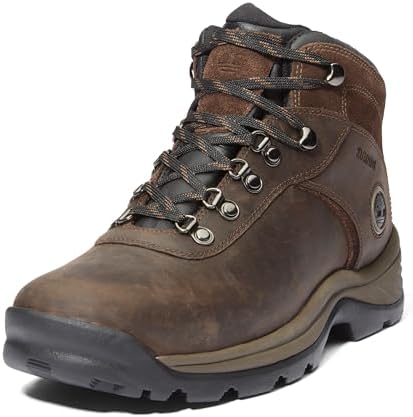
- ALK Score9.0
Gigacamping Score is a ranking system developed by Coffeecraze.org. Gigacamping Score has no relationship or impact with any manufacturers or sales agent websites. Learn more
- BrandTimberland

- ALK Score8.8
Gigacamping Score is a ranking system developed by Coffeecraze.org. Gigacamping Score has no relationship or impact with any manufacturers or sales agent websites. Learn more
- BrandKEEN
Last update on 2026-11-17 / Affiliate links / Images, Product Titles, and Product Highlights from Amazon Product Advertising API
An entry level boot is built for day hikes and light backpacking, not for expeditions. It should be comfortable out of the box, offer decent traction and support, and cost less than a pair designed for heavy loads. Look for a midweight design with a flexible midsole, a padded collar and a waterproof option if you hike in wet weather.
You do not need leather that takes weeks to break in or a stiff sole built for carrying heavy loads. A synthetic or leather and fabric boot that feels good in a store and on a short walk is often the best choice for a beginner.
Boot or Shoe?
Many beginners start with hiking shoes, which are lighter and more flexible. Boots provide more ankle coverage and support, which is useful on uneven trails and with a pack. If you are unsure, try both. A mid cut boot is a popular starting point because it protects the ankle while remaining reasonably light.
As you compare listings, weigh these points.
- Comfort at first wear: little break in time and a roomy toe box.
- Waterproofing: helpful in changeable weather, with the trade off of less breathability.
- Traction: a lugged rubber outsole that grips dirt, rock and mud.
- Cushioning: enough midsole padding for a day on your feet.
- Ankle support: a mid cut collar for rough trails.
- Weight: lighter boots tire you less over many miles.
Fit matters more than any feature. Try boots in the afternoon when your feet are slightly larger. Wear the socks you plan to hike in. Your toes should have room to wiggle and should not touch the front when you walk downhill. Your heel should stay put when you walk uphill, with only a little movement.
Stand on a slope or a ramp in the store and kick your toe against the floor to check for toe room. Walk for several minutes and notice pressure points. If a boot hurts in the store, it will hurt more on the trail. If you have wide or narrow feet, look for models offered in different widths.
Socks and Insoles
Wool or synthetic hiking socks make a big difference. They manage moisture and cushion your feet. Avoid cotton, which holds sweat and causes blisters. A supportive aftermarket insole can add comfort to any boot and is a worthwhile upgrade if the factory insole feels thin.
Break in your new boots on short walks before a long hike. Start with a mile or two on easy terrain and increase gradually. Learn how to lace them to prevent heel slip and toe pressure. Use a heel lock lace pattern if your heel lifts. Carry a few blister supplies such as tape and pads, and treat hot spots as soon as you feel them.
Choose trails that match your fitness. A new boot is not a reason to take on a difficult climb. Build experience step by step, and pay attention to what your feet tell you.
Care and Storage
Clean your boots after muddy hikes with a brush and water. Let them dry at room temperature, away from heaters. Remove the insoles to speed drying. Treat leather parts occasionally with a conditioner. Store your boots in a cool, dry place, and replace laces and insoles when they wear out.
Many new hikers choose a size that feels perfect in a shop and discover on a downhill that their toes jam into the front. A boot should feel snug but not tight when you first put it on. Lace it fully and check that your heel does not lift. If you can slide a finger between your heel and the back of the boot when your toes touch the front, you are close to the right size.
Remember that your feet swell during long hikes and in warm weather. A little extra room at the toe prevents black toenails, a common problem on long descents. Buy from a seller with an easy return policy so that you can swap sizes if needed.
Trail Etiquette and Preparation
New hikers should carry water, a map and a basic first aid kit, and wear layers. Tell someone where you are going. Good boots help, but preparation keeps you safe. Pace yourself, take breaks and enjoy the view. Confidence grows quickly with a few good outings.
If you start hiking every week, carry heavier packs or tackle rougher trails, you will notice limits in a basic boot. The cushioning may flatten, the sole may feel too soft on rocks, or the lining may wear through. That is a sign you have grown into a better boot. Because you started with a modest pair, you will know exactly what to ask for next, whether it is more support, better waterproofing or lighter weight.
Do I need waterproof boots as a beginner?
If you hike in wet or cool weather, yes. In hot, dry climates, breathable boots may feel better.
Should I buy boots or hiking shoes?
Both are fine. Boots add ankle support, shoes are lighter.
How long should I break in boots?
Entry level synthetic boots need little break in, but a few short walks help.
How much should I spend?
A modest price is fine for a first pair. Fit matters more than cost.
Choose comfort and fit over extra features, learn to lace and care for your boots and start with easy trails. Compare options in the table and pick one you feel good in. The best entry level hiking boots are the ones that get you outside again and again.


Best Binoculars for Long Range Shooting: Spotting Hits and Reading Conditions (2026)

Best Hiking Boots for Wide Feet Men's in 2026: Which Type Is Right for You?

Best Hiking Boots for Zion National Park: Matching the Right Model to Your Routine for 2026

Best Lightweight Gore Tex Hiking Boots: A Budget to Premium Buying Guide for 2026

Best Hiking Boots for Beginners in 2026: 3 Top Picks + Buying Guide
Best Hiking Boots for Annapurna Circuit Made Simple: A Clear Buying Guide for 2026

Best Duck Boots for Hiking: When Rubber and Leather Beat Trail Shoes (2026)

Best Low Hiking Shoes for Wide Feet: Which One Fits the Way You Use It for 2026