Best Lightweight Gore Tex Hiking Boots: A Budget to Premium Buying Guide for 2026
Wet trails, stream crossings, and sudden rain can turn a pleasant hike into a cold and slippery slog, especially when your boots soak through in the first mile. The best lightweight gore tex hiking boots solve that problem with a waterproof membrane inside a boot that still feels nimble underfoot. Prices spread widely, though, and the extra money does not always buy what your trips actually need. This guide shows where spending helps and where it does not.
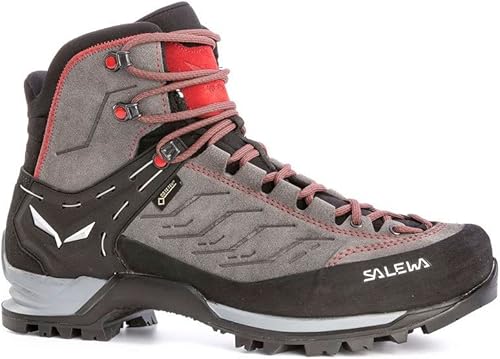
Use the comparison table below to scan weights, heights, and price ranges side by side before you read on. Then work through the budget and fit guidance that follows, because a membrane only earns its keep when the boot around it matches your feet, your pack, and your climate.
Compare Products

- ALK Score8.8
Gigacamping Score is a ranking system developed by Coffeecraze.org. Gigacamping Score has no relationship or impact with any manufacturers or sales agent websites. Learn more
- BrandSalomon

- ALK Score8.6
Gigacamping Score is a ranking system developed by Coffeecraze.org. Gigacamping Score has no relationship or impact with any manufacturers or sales agent websites. Learn more
- BrandSalomon

- ALK Score8.8
Gigacamping Score is a ranking system developed by Coffeecraze.org. Gigacamping Score has no relationship or impact with any manufacturers or sales agent websites. Learn more
- BrandSalomon

- ALK Score9.2
Gigacamping Score is a ranking system developed by Coffeecraze.org. Gigacamping Score has no relationship or impact with any manufacturers or sales agent websites. Learn more
- BrandDanner

- ALK Score8.8
Gigacamping Score is a ranking system developed by Coffeecraze.org. Gigacamping Score has no relationship or impact with any manufacturers or sales agent websites. Learn more
- BrandDanner

- ALK Score8.8
Gigacamping Score is a ranking system developed by Coffeecraze.org. Gigacamping Score has no relationship or impact with any manufacturers or sales agent websites. Learn more
- BrandDanner

- ALK Score9.0
Gigacamping Score is a ranking system developed by Coffeecraze.org. Gigacamping Score has no relationship or impact with any manufacturers or sales agent websites. Learn more
- BrandMerrell

- ALK Score8.6
Gigacamping Score is a ranking system developed by Coffeecraze.org. Gigacamping Score has no relationship or impact with any manufacturers or sales agent websites. Learn more
- BrandSCARPA
- ALK Score8.8
Gigacamping Score is a ranking system developed by Coffeecraze.org. Gigacamping Score has no relationship or impact with any manufacturers or sales agent websites. Learn more
- BrandN/A

- ALK Score8.4
Gigacamping Score is a ranking system developed by Coffeecraze.org. Gigacamping Score has no relationship or impact with any manufacturers or sales agent websites. Learn more
- BrandN/A
Last update on 2026-11-20 / Affiliate links / Images, Product Titles, and Product Highlights from Amazon Product Advertising API
Before you compare price tags, picture your longest typical hike and the heaviest load you carry on it. Light boots feel wonderful on short outings, yet the same flexible build can feel vague and tiring once a full pack enters the picture. If you are still deciding how much the membrane itself matters, see our guide to the best lightweight hiking boots for the wider weight picture without waterproofing in the frame.
Day Hikers Carrying Light Loads
If your pack holds water, snacks, and a rain shell, you are the natural audience for this category. A low or mid height boot with moderate cushioning keeps your stride quick and your ankles free on smooth trails. Stability comes mostly from a snug heel and a torsionally firm midsole rather than from height, so try boots with your usual day pack on your back. You can safely choose from the lower price tiers and save the premium money for maps, socks, and trail fees.
Backpackers Watching Every Ounce
On multi day trips, boot weight multiplies across thousands of steps, so shaving ounces matters more here than anywhere else. Look for a mid height collar that steadies the ankle on uneven ground without the bulk of a traditional backpacking boot. Check that the midsole feels supportive late in a long walk indoors, because foam that feels plush in the store can feel thin under a loaded pack. A resole is rarely an option at this weight, so treat durability as part of the value math.
Wet Climate Hikers Who Walk All Year
If your trails stay muddy through spring and your winters bring slush rather than deep cold, a waterproof membrane earns its cost on nearly every outing. Prioritize a grippy outsole and a gusseted tongue that keeps grit and shallow water out at the laces. Readers who also need membrane boots for yard work or winter sidewalks can see our guide to the best gore tex boots for broader styles beyond the trail. For hiking, though, keep trail fit and traction ahead of insulation you may never need.
Price tiers among the best lightweight gore tex hiking boots track materials and construction more than fashion. The sections below describe what you typically gain and give up at each level, using the ranges you will see on US listings. Match the tier to your mileage first, because a boot worn twice a month ages very differently from one worn every weekend.
Budget Tier: What to Expect
Budget models usually sell for under $140 and pair the membrane with synthetic uppers and basic foam midsoles. Traction is fine on groomed trails, and the waterproofing works well while the boot is new. The trade offs show up as softer support under load, faster outsole wear, and linings that feel warm in summer. This tier suits new hikers, growing teenagers, and anyone checking whether membrane boots suit their climate. Spend the savings on good socks, which protect fit and comfort more than a small spec upgrade would.
Midrange Tier: Where Most Hikers Land
Midrange boots, often priced around $200, add firmer midsoles, better shaped heels, and outsoles with deeper and more varied lugs. Uppers blend leather and mesh panels, so the boot resists brush and rock scuffs while staying reasonably breathable for a membrane design. Fit ranges widen too, with more half sizes and wide options. For weekend hikers and regular backpackers, this tier usually delivers the best balance of lifespan, support, and price, and it is where careful shoppers should spend the most comparison time in the product table above.
Premium Tier: What the Extra Money Actually Buys
Premium pairs at around $260 and above buy refinement rather than a different category of boot. Expect lighter yet stronger upper materials, membranes with better vapor transfer, and midsoles that keep their cushioning longer before packing down. Lasts tend to be more precise, which helps narrow and low volume feet that swim in cheaper boots. The gains are real but incremental, so upgrade only if you hike often, carry heavier loads, or have struggled with fit in midrange models. Casual hikers rarely recover the difference.
Some upgrades protect your feet on every mile, while others add cost and weight for situations you may never meet. A tall, stiff collar, for example, helps little on smooth paths, and decorative overlays add nothing at all. If your trails are hot and dry for most of the year, weigh the membrane itself carefully and see our guide to the best non gore tex hiking boots before you commit to waterproof boots full time.
Durability and Expected Lifespan
Lightweight construction trades some lifespan for low weight, so set expectations before you buy. Many light membrane boots feel supportive for about 400 to 600 miles before the cushioning thins and the tread rounds off. Leather panels at the toe and heel extend upper life, while glued soles cannot be rebuilt once they separate. Skip heavy protective rands if you walk smooth trails, because they add ounces without saving you repairs. Pay instead for a well bonded sole and stitching that sits away from flex points.
Fit, Sizing, and the Toe Box
Fit decides more hikes than any membrane, so measure both feet late in the day when they are slightly swollen, and bring your hiking socks to every fitting. Your toes should clear the front when you kick a floor or step down a slope in the store, yet the heel should stay planted. A roomy toe box lets toes splay on descents and reduces blackened nails, while a narrow last suits low volume feet. When between sizes, choose the larger one and adjust volume with lacing and sock weight.
Arch Support and Foot Type
Most light boots ship with flat, generic insoles, so judge the midsole shape rather than the insert when you assess arch support. Flat feet that roll inward benefit from a firmer medial post area and a stable heel cup, while high arches need cushioning that spreads pressure across the midfoot. Note that the stock insole is the cheapest part to replace later, so do not reject an otherwise good boot for a thin insert. Walk on a hard floor during fitting, because carpet hides pressure points that trails will expose.
Weight, Packability, and Heel to Toe Drop
Weigh boots as a pair in your size when listings allow it, since published weights often reflect a smaller sample size. A pair under about two pounds feels closer to trail shoes, while pairs nearer three pounds behave more like traditional boots. Heel to toe drop in this category usually runs about 8 to 12 mm, and a higher drop can ease strain for hikers used to everyday shoes. Compact, flexible models pack flat in a duffel for travel, which matters if your trailheads start with a flight.
The purchase price is only part of what a pair of membrane boots costs you over its life. Wool blend hiking socks, usually around $20 a pair, protect both fit and skin, and most hikers want at least two pairs in rotation. Replacement insoles run about $40 when the stock foam flattens, and a bottle of membrane safe proofer for the outer fabric costs about $15 a season. Budgeting for these small items keeps the boots performing instead of quietly declining.
Replacement timing is the largest hidden cost, because light boots wear out sooner than heavy leather models. If you hike 15 miles a week, a pair may need replacing within two seasons, which makes a midrange boot cheaper per mile than a budget boot replaced twice. Warranty terms vary, so keep your receipt and photograph the soles when they are new. At camp, changing into sandals and recovery footwear rests your feet and lets the boots dry, which stretches the life of every pair you own.
Are expensive lightweight Gore Tex hiking boots worth the extra cost?
Expensive models are worth it only when your mileage and loads use what the money buys. Frequent hikers gain longer lasting cushioning, tougher uppers, and more precise fits, which together lower the cost per mile. One useful test is your current footwear: if a cheaper pair already lasts you several seasons, the premium gains will mostly sit unused, and a midrange boot is the smarter spend.
How should lightweight Gore Tex hiking boots fit at the toes and heel?
They should hold the heel firmly while leaving a thumb width of space ahead of your longest toe. Lace the boots snugly over the midfoot before judging the toe room, because a loose midfoot lets the whole foot slide forward on descents. As a new check beyond the fitting advice above, walk down the steepest ramp the store offers and confirm your toes never tap the front.
Do lightweight Gore Tex hiking boots stay breathable in warm weather?
They breathe less than open mesh shoes, because the membrane that blocks rain also slows vapor leaving the boot. Thin socks and rest stops with the boots loosened help on hot days. For desert trips where rain is rare, many hikers switch to non membrane footwear instead, and our guide to the best hiking boots without gore tex explains when that trade makes sense for your route.
How long is the break in period for lightweight Gore Tex hiking boots?
Most light membrane boots need only a few short walks before a full day hike, far less than stiff leather boots. Wear them indoors first, then on two or three walks of about an hour, and watch for heel rubbing or pressure over the toes. A practical extra step is to hike one familiar loop before any trip that matters, so small fit issues appear close to home rather than miles from the trailhead.
Can you wear lightweight Gore Tex hiking boots all day?
Yes, you can wear them all day when the fit is right and your socks manage moisture well. The light weight reduces leg fatigue compared with traditional boots, which is why many hikers keep them on around camp. Change into dry socks at lunch on long days, because damp socks, not the boot itself, cause most late day discomfort and blisters during extended wear.
How often should you replace lightweight Gore Tex hiking boots?
Replace them when the tread no longer grips wet rock, the midsole feels flat and harsh, or water starts entering through worn flex points. A simple home check is to press a thumbnail into the midsole foam: foam that stays dented has lost its spring. Tracking your mileage in a phone note makes the decline easier to spot than guessing from the calendar.
Choosing well comes down to three things: a fit that protects your toes on descents, support that matches your load, and a price tier that matches your mileage. Set those before you compare colors or small spec differences, and the product table above becomes a quick confirmation rather than a guessing game. When you match the best lightweight gore tex hiking boots to your own trails instead of to the highest price tag, you get dry feet, fresh legs, and money left for the trips themselves.


Best Binoculars for Long Range Shooting: Spotting Hits and Reading Conditions (2026)

Best Hiking Boots for Wide Feet Men's in 2026: Which Type Is Right for You?

Best Hiking Boots for Zion National Park: Matching the Right Model to Your Routine for 2026
Best Hiking Boots for Beginners in 2026: 3 Top Picks + Buying Guide
Best Hiking Boots for Annapurna Circuit Made Simple: A Clear Buying Guide for 2026

Best Duck Boots for Hiking: When Rubber and Leather Beat Trail Shoes (2026)

Best Low Hiking Shoes for Wide Feet: Which One Fits the Way You Use It for 2026

Best Hiking Boots for Rainy Weather for 2026: Which One Fits the Way You Use It