Best Hunting Boots for Deer Hunting: Types Compared and How to Choose for 2026
Deer hunting asks more of your boots than almost any other hunt. You may cross a wet field in the dark, sit still for hours in cold air, then drag a deer over rough ground on the way out. Choosing best hunting boots for deer hunting starts with matching the boot type to your terrain and season, not with chasing the tallest or warmest pair on the shelf.
This guide compares the main boot types side by side, then covers insulation, fit, and grip in plain detail. Use the comparison table below to narrow your short list, then read the sections that match how and where you hunt.
Compare Products

- ALK Score9.4
Gigacamping Score is a ranking system developed by Coffeecraze.org. Gigacamping Score has no relationship or impact with any manufacturers or sales agent websites. Learn more
- BrandLaCrosse

- ALK Score9.6
Gigacamping Score is a ranking system developed by Coffeecraze.org. Gigacamping Score has no relationship or impact with any manufacturers or sales agent websites. Learn more
- BrandMUCK

- ALK Score9.2
Gigacamping Score is a ranking system developed by Coffeecraze.org. Gigacamping Score has no relationship or impact with any manufacturers or sales agent websites. Learn more
- BrandIrish Setter

- ALK Score9.2
Gigacamping Score is a ranking system developed by Coffeecraze.org. Gigacamping Score has no relationship or impact with any manufacturers or sales agent websites. Learn more
- BrandROCKY

- ALK Score8.6
Gigacamping Score is a ranking system developed by Coffeecraze.org. Gigacamping Score has no relationship or impact with any manufacturers or sales agent websites. Learn more
- BrandN/A

- ALK Score9.2
Gigacamping Score is a ranking system developed by Coffeecraze.org. Gigacamping Score has no relationship or impact with any manufacturers or sales agent websites. Learn more
- BrandHunthor

TIDEWE Rubber Hunting Boots, Waterproof Insulated Sturdy Outdoor 800G NE
- ALK Score9.0
Gigacamping Score is a ranking system developed by Coffeecraze.org. Gigacamping Score has no relationship or impact with any manufacturers or sales agent websites. Learn more
- BrandTIDEWE

- ALK Score8.8
Gigacamping Score is a ranking system developed by Coffeecraze.org. Gigacamping Score has no relationship or impact with any manufacturers or sales agent websites. Learn more
- BrandGuide Gear

Trudave Hunting Boots for Men, Waterproof Rubber Boots with Steel
- ALK Score9.2
Gigacamping Score is a ranking system developed by Coffeecraze.org. Gigacamping Score has no relationship or impact with any manufacturers or sales agent websites. Learn more
- BrandTrudave
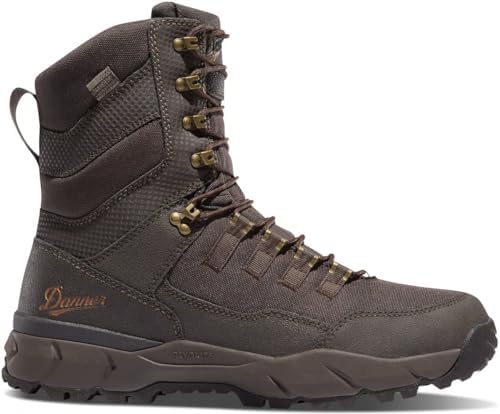
- ALK Score8.8
Gigacamping Score is a ranking system developed by Coffeecraze.org. Gigacamping Score has no relationship or impact with any manufacturers or sales agent websites. Learn more
- BrandDanner
Last update on 2026-11-19 / Affiliate links / Images, Product Titles, and Product Highlights from Amazon Product Advertising API
Three boot types cover nearly every deer hunt. Rubber boots rule wet ground and short walks to a stand. Leather hiking style boots suit hunters who cover miles. Insulated boots protect your feet during long, still sits in cold weather. Most pairs cost about $100 to $250, with heavily insulated models reaching higher.
Rubber Boots for Wet Ground and Scent Control
Rubber boots are tall pull on boots, usually 14 to 18 inches high, made to keep water and mud out completely. Because rubber holds scent on its smooth surface instead of soaking it into fabric, many whitetail hunters wear them to walk to a stand without leaving a strong scent trail on grass and brush. They are the natural choice for swamps, flooded timber, creek crossings, and muddy farm fields.
The trade offs are weight, warmth, and support. Rubber boots are not breathable, so feet sweat on warm walks and can feel clammy later. The soft shaft gives little ankle stability on side hills or rocky ground, and the cushioning underfoot is basic. If your hunts center on wet low ground, see our guide to the best rubber boots for deer hunting for a closer look at heights and linings.
Leather Hiking Style Boots for Covering Ground
Leather and synthetic hiking style boots lace up snugly, support the ankle, and walk more like sturdy hiking footwear. A waterproof breathable membrane such as Gore Tex keeps rain and shallow water out while letting some sweat escape, so your feet stay drier on long approaches. A modest heel to toe drop and a shaped footbed make these boots comfortable for spot and stalk hunting, mountain terrain, and big western properties.
These boots give you the best stability and trail comfort of the three types, and a lugged outsole grips rock, dry dirt, and leaf covered slopes well. Their weakness is scent and deep water. Fabric and leather uppers pick up odors and can wick water over the top in deep crossings. Pause during long stalks to glass likely feeding areas, and see our guide to the best binoculars for deer hunting if your glass needs an upgrade too.
Insulated boots for cold Late Season Sits
Insulated boots add a warm lining, rated by grams of insulation, to a rubber or leather shell. Around 400 grams suits cool sits in the middle of the season, 800 grams covers most cold mornings, and 1200 grams or more helps during bitter late season weather. Warmth matters most when you sit still, because walking generates heat while sitting in a stand or blind does not.
Thick insulation adds bulk and weight, and your feet can overheat badly on a long walk in. If long blind sits are your style, comfort above the ankle matters less than comfort in your seat, so see our guide to the best deer hunting chairs for staying still and quiet longer.
Start with water. If your route crosses creeks, marsh, or standing water deeper than your ankle, rubber boots win because leather boots flood over the collar and stay wet for days. If your ground is dry to damp and your walks run past a mile, leather hiking style boots win on support, breathability, and comfort.
Next, think about scent and temperature. Rubber leaves less scent on vegetation and cleans off with a hose, which suits stand hunting near bedding areas. Leather breathes better and feels steadier on hills, which suits mobile hunting. During preseason scouting trips to check cameras and hang stands, either type works, so wear the pair you plan to hunt in and learn how it walks. For the camera side of those trips, see our guide to the best trail cameras for deer hunting. The product table above can help you weigh height, insulation, and weight once you pick a type.
With your type chosen, four decisions shape how the boot performs all season. Work through insulation, deer specific features, fit, and grip in that order, because a warm boot that fits badly still ruins a hunt.
Insulation and Weather Protection
Match insulation to the coldest sit you expect, not the average day. Your feet chill fastest when you sit still in wind on a metal stand, so size your warmth for stillness. Uninsulated boots with heavy socks handle warm early season hunts, while a single insulated pair in the 800 gram range covers the widest span of the deer season for most hunters.
Waterproofing matters just as much. A membrane lined leather boot handles rain, dew, and shallow puddles, while tall rubber handles true standing water. Remember that no waterproof boot helps once water pours over the top, so pick a shaft height that clears the deepest water on your normal route.
Features That Matter for Deer Hunting
Deer hunting rewards quiet, low scent footwear. Soft rubber outsoles and flexible soles make less noise on stand ladders, dry leaves, and gravel than hard, stiff soles built for rock. Smooth rubber uppers rinse clean, while textured leather and fabric hold scent and need more care between hunts. Store your boots away from fuel, exhaust, and garage odors, and keep a dedicated pair only for hunting.
Support matters too, because the hunt often ends with hauling a deer over uneven ground. A firm heel counter and a stable midsole protect tired ankles during a drag. Hunters who film their hunts carry extra gear weight on the same walk, so steady footing counts double for them, and see our guide to the best cameras for deer hunting if you plan to record your season.
Fit, Sizing, and Toe Box
Try boots on late in the day, when your feet are slightly swollen, and wear the exact socks you hunt in. You want a snug heel with no lift as you walk, plus a toe box wide enough to wiggle your toes freely. Room in the toe box is not sloppiness. Air space around your toes helps warmth, and toes that press the front on downhill walks bruise quickly.
Plan for thick socks in your sizing. Many hunters go up half a size for cold weather pairs so a heavy wool sock fits without squeezing, since tight boots restrict blood flow and make feet colder, not warmer. Check that the boot flexes at the ball of your foot rather than folding across the toes.
Weight, Flexibility, and Outsole Grip
Boot weight adds up over miles. A light and flexible boot feels quick and quiet for stalking, but offers less protection against rocks, stumps, and cold ground. A heavier and stiffer boot shields your feet and supports a loaded pack, at the cost of more effort on every step.
Read the outsole like a tire tread. Deep, spaced lugs shed mud and grip soft ground, while tighter lugs suit hard trails and rock. Very soft rubber grips stand platforms and wet logs well but wears faster on pavement and gravel roads.
- Buying insulation for the walk instead of the sit, which leaves your feet freezing after an hour of stillness.
- Wearing cotton socks, which soak up sweat and chill your feet once you stop moving.
- Choosing a tight fit for a cleaner feel, which cuts circulation and makes cold feet worse.
- Wearing new boots on opening morning, which invites blisters during the longest sit of the season.
- Storing hunting boots near fuel or scented gear, which loads the uppers with odors deer notice.
- Parking leather boots by a hot heater to dry, which cracks the leather and weakens glued seams.
Break in leather boots with several short walks over two to three weeks, adding distance as the leather softens around your ankle and toes. Treat small hot spots on your heel or toes right away with tape or a sock change, because a blister on a scouting walk becomes a hunt ending problem in the season.
After each hunt, knock off mud, rinse rubber boots with plain water, and air dry all boots away from direct heat with the insoles pulled out. Condition leather uppers once they dry, and reproof membranes when water stops beading on the surface. Check lug depth, cracked rubber at the flex points, and loose stitching before the season starts, and keep a spare set of laces in your pack.
What features matter most in hunting boots for deer hunting?
The features that matter most are scent control, quiet soles, and warmth matched to your hunting style. A smooth upper that rinses clean and a soft outsole help you reach your stand without alerting deer. One point hunters overlook is shaft height, since a taller shaft also guards your lower leg against briars, ticks, and cold water during early morning entries in the dark.
Do deer hunting boots need to be waterproof?
Most deer hunting boots should be waterproof, because dew soaked grass alone can wet your feet on a short walk. Full rubber is the safe pick for swamps and creek crossings, while a membrane lined leather boot handles rain and wet fields well. The exception is dry, warm early season ground, where a breathable unlined boot can feel cooler and still serve you well all evening.
How long is the break in period for hunting boots?
The break in period for hunting boots runs about two to three weeks of regular walks for leather models. Rubber boots feel hunt ready much sooner, often after one or two outings. A useful test is a full hour of walking with your hunting socks and a light pack, since boots that feel fine on a store floor can rub once your feet warm up and swell slightly.
How should hunting boots fit for deer hunting?
Hunting boots should fit with a locked heel, steady midfoot, and free toes you can wiggle inside the toe box. Your toes should never press the front when you kick a solid step or walk downhill. For cold sits, leave enough room for a heavy sock and a thin liner sock together, a layering trick that adds warmth without the sweat buildup of a single very thick sock.
How often should you replace hunting boots for deer hunting?
You should replace hunting boots when waterproofing fails, lugs wear smooth, or the midsole feels flat and harsh underfoot. For many hunters that point arrives after three to five seasons of regular use. Watch the flex crease beside your big toe on rubber boots, because fine cracks there often leak a full season before the rest of the boot looks worn out.
Are expensive hunting boots worth it for deer hunting?
Expensive hunting boots are worth it when the higher price buys better fit, stronger waterproofing, and insulation that suits your climate. Paying more for a taller shaft or a fashion detail adds little in the woods. Spread across several seasons of regular use, that extra cost stays modest if the pair stays waterproof, quiet, and comfortable on every hunt.
Choosing well comes down to three questions. How wet is your ground, how far do you walk, and how cold are your longest sits? Answer those honestly and the right boot type picks itself, whether that means tall rubber for swamp edges, leather for big country, or heavy insulation for late season stands. Compare your finalists in the product table above, and you will find best hunting boots for deer hunting for the way you actually hunt, not the way an advertisement imagines it.


Best Binoculars for Long Range Shooting: Spotting Hits and Reading Conditions (2026)

Best Hiking Boots for Wide Feet Men's in 2026: Which Type Is Right for You?

Best Hiking Boots for Zion National Park: Matching the Right Model to Your Routine for 2026

Best Lightweight Gore Tex Hiking Boots: A Budget to Premium Buying Guide for 2026

Best Hiking Boots for Beginners in 2026: 3 Top Picks + Buying Guide
Best Hiking Boots for Annapurna Circuit Made Simple: A Clear Buying Guide for 2026

Best Duck Boots for Hiking: When Rubber and Leather Beat Trail Shoes (2026)

Best Low Hiking Shoes for Wide Feet: Which One Fits the Way You Use It for 2026