Best Hiking Boots for Toe Pain: Which One Fits the Way You Use It for 2026
There is no single boot that fixes sore toes for every hiker, because the cause of your discomfort shapes what you need. Toes that jam on descents need room and a secure heel, while toes that ache from pressure need soft cushioning and an upper that does not press down. Start with best hiking boots for toe pain that match your trails, your mileage, and the shape of your forefoot.
Use the comparison table below to compare toe box shape, weight, waterproofing, and support side by side. Then read the guidance that follows, organized by how you actually hike, so you can narrow the field before you worry about price.
Compare Products

- ALK Score8.8
Gigacamping Score is a ranking system developed by Coffeecraze.org. Gigacamping Score has no relationship or impact with any manufacturers or sales agent websites. Learn more
- BrandKEEN

- ALK Score9.0
Gigacamping Score is a ranking system developed by Coffeecraze.org. Gigacamping Score has no relationship or impact with any manufacturers or sales agent websites. Learn more
- BrandMerrell

Timberland Men's White Ledge Mid Waterproof Hiking Boots
- ALK Score9.0
Gigacamping Score is a ranking system developed by Coffeecraze.org. Gigacamping Score has no relationship or impact with any manufacturers or sales agent websites. Learn more
- BrandTimberland

- ALK Score9.0
Gigacamping Score is a ranking system developed by Coffeecraze.org. Gigacamping Score has no relationship or impact with any manufacturers or sales agent websites. Learn more
- BrandColumbia

- ALK Score9.0
Gigacamping Score is a ranking system developed by Coffeecraze.org. Gigacamping Score has no relationship or impact with any manufacturers or sales agent websites. Learn more
- BrandN/A

- ALK Score8.8
Gigacamping Score is a ranking system developed by Coffeecraze.org. Gigacamping Score has no relationship or impact with any manufacturers or sales agent websites. Learn more
- BrandNORTIV 8

Oboz Bridger Mid B-DRY Hiking Boot - Men's Sudan 10.5
- ALK Score8.8
Gigacamping Score is a ranking system developed by Coffeecraze.org. Gigacamping Score has no relationship or impact with any manufacturers or sales agent websites. Learn more
- BrandOboz

- ALK Score8.6
Gigacamping Score is a ranking system developed by Coffeecraze.org. Gigacamping Score has no relationship or impact with any manufacturers or sales agent websites. Learn more
- BrandSalomon

- ALK Score9.2
Gigacamping Score is a ranking system developed by Coffeecraze.org. Gigacamping Score has no relationship or impact with any manufacturers or sales agent websites. Learn more
- BrandOrthoComfoot
- ALK Score9.2
Gigacamping Score is a ranking system developed by Coffeecraze.org. Gigacamping Score has no relationship or impact with any manufacturers or sales agent websites. Learn more
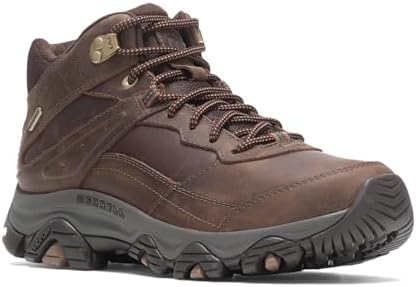
- BrandMerrell
Last update on 2026-11-16 / Affiliate links / Images, Product Titles, and Product Highlights from Amazon Product Advertising API
Your hiking pattern decides which tradeoffs matter most. Match the group below that sounds most like you, and let its priorities guide the rest of your choice.
If your toe soreness shows up mostly during daily walks on pavement rather than on trails, a boot may be more support than you need. In that case, see our guide to the best shoes for toe pain for lighter options built for everyday mileage. Boots earn their place when terrain, weather, or a loaded pack demands more protection and stability.
For Bad Weather and Tough Conditions
Wet roots, mud, and loose rock punish sore toes in two ways, because slipping makes your toes grip and bang, and cold wet feet swell inside the boot. Prioritize a grippy outsole, a protective toe cap, and a waterproof membrane such as Gore Tex that keeps socks dry on stream crossings and rainy ridgelines.
For Frequent or Serious Users
If you hike most weekends or train for longer routes, durability and consistent fit matter more than a low price. Look for a solid shank, strong stitching, and a midsole that holds its cushioning past the first season. Your toes take thousands of repeated impacts each outing, so a boot that keeps its shape protects you on every descent. Check the warranty and return terms too.
For Weekend Beginners
Newer hikers need comfort that shows up on the first walk, not after a month of sore break in miles. Choose a lighter, more flexible boot with generous forefoot room and a forgiving upper that does not press on the tops of your toes. You do not need the stiffest sole for groomed trails and short climbs.
The product table above lists the specs, but specs only help when you know what each one does for sore toes. As you compare the best hiking boots for toe pain, work through toe box shape, sizing, cushioning, drop, and sole design in order, because fit decisions come before material and weight decisions.
Features That Matter Most for Toe Pain
Toe pain on the trail usually comes from pressure, impact, or sliding, and each cause points to a different fix. Pressure from above calls for a taller toe box and a soft upper, while pain at the tips after descents points to a heel that locks in place so your foot stops sliding forward. Pain under the ball of the foot needs cushioning and a sole that spreads load. If you have diabetes, poor circulation, numbness, a sore that will not heal, sudden swelling, or sharp pain that lingers for days, talk with your clinician before buying and ask about personal fit needs.
Fit, Sizing, and Toe Box Shape
Measure both feet late in the day, when they are at their largest, and shop using the longer measurement. You want about a thumb width of space in front of your longest toe, which is not always the big toe, plus enough width that your toes can lie flat and spread slightly. Try boots with your hiking socks, step down firmly, and confirm your toes do not touch the front.
Cushioning and Heel to Toe Drop
Cushioning under the forefoot softens each landing on rock and packed dirt, which matters most on long descents and hard surfaces. Heel to toe drop describes how much higher the heel sits than the forefoot, and a moderate drop can shift work toward the calf and reduce forefoot pressure for some hikers. A very low drop can strain calves that are used to raised heels, so change drop gradually. Drop also changes how your knees feel, which is why readers with joint concerns may also want our guide to the best hiking boots for knee pain.
Outsole Grip and Overall Stability
A lugged outsole that bites on wet rock and loose soil keeps your foot planted, and a planted foot means your toes stop clawing for balance inside the boot. Deeper lugs suit mud and soft ground, while shallower, broader lugs grip better on slick stone. Stability also comes from a firm heel counter and a midsole that resists twisting on uneven ground.
Break In Period and Comfort Out of the Box
Modern lightweight boots often feel good on the first short walk, while stiffer leather models may need several outings before the upper relaxes around your toes. Plan a gradual schedule, starting with walks near home, then adding distance and hills before any big trip. Mild stiffness is normal, but pressure points over the toes should improve, not worsen, with each outing. If one spot keeps rubbing, exchange the size or model early.
Weight and Flexibility
Every extra ounce on your feet costs energy with each step, and tired legs lead to sloppy foot placement that bangs toes into the front of the boot. Lighter boots suit smooth trails and fast days, while heavier boots add ankle support and underfoot protection on rocky routes with a full pack. Flexibility matters too, since a sole that bends naturally at the ball of the foot reduces the squeezing pressure a rigid sole can put on sore toe joints.
Some readers hike and also work outdoors in places that require protective toe caps, and a safety toe changes fit in ways that matter for sore toes. The cap adds a hard boundary at the front, so the room in front of and above your toes becomes even more important. If your job requires rated protection, see our guide to the best safety toe hiking boots and confirm the rating your employer expects before you buy.
Steel is the traditional cap material, and it handles heavy impacts well, though it adds weight and can feel cold in winter. If that fits your work, our guide to the best steel toe hiking boots explains the options in detail. Try any capped boot late in the day, because a cap that clears your toes in the morning may press them after hours of swelling.
Composite caps use nonmetal materials, so they tend to feel lighter and warmer, and they suit sites with metal detectors or electrical concerns. Readers who want that balance can compare choices in our guide to the best composite toe hiking boots. For toe pain, you need clear space above and in front of your toes inside a cap that will never stretch with wear.
- Buying your street shoe size without measuring, which leaves too little room and bruises toenails on the first long descent.
- Choosing a narrow, pointed toe box for looks, which squeezes toes together and builds pressure with every mile.
- Judging fit in the morning with thin socks, which hides the swelling and thickness your feet will have on the trail.
- Ignoring the return window, which leaves you stuck with a boot whose pressure points only appear after real distance.
- Chasing the lowest price and skipping cushioning and support, which shifts impact straight into your forefoot.
- Wearing a brand new pair on a long trip, which turns a small fit flaw into blisters and blackened toenails.
Lacing is your first setup tool, and it costs nothing. Use a heel lock loop at the top eyelets when your toes jam on descents, since anchoring the heel stops forward slide without crushing the forefoot. Keep laces over the toes snug but not tight, and retie at the top of long climbs before you start down.
After each hike, loosen the laces, pull out the insoles, and air dry your boots away from direct heat, which can warp materials and harden cushioning. Brush off mud once it dries, and reproof waterproof models when water stops beading on the surface. Rotate two pairs if you hike several days in a row. Replace your boots when the midsole feels flat, the lugs are worn smooth, or the upper can no longer hold your heel in place, since worn support quietly brings toe pain back.
What features matter most in hiking boots for toe pain?
Toe box room matters most, followed by a secure heel fit and forefoot cushioning. Your toes need space to lie flat, your heel needs to stay back so your foot does not slide, and the sole needs to absorb repeated impact. One extra check many buyers miss is the insole, since a thin stock insole can be swapped for a shaped one with more forefoot padding if the boot has enough interior volume.
How often should I replace hiking boots for toe pain?
Replace them when the signs of wear change how your toes feel, not on a fixed calendar date. Many hikers get about 500 to 800 miles from a pair, but rocky terrain and heavier packs shorten that span. A useful home test is pressing your thumb into the midsole at the ball of the foot, because a sole that feels hard and unyielding there has lost the cushioning your forefoot depends on, even if the upper still looks fine.
Are expensive hiking boots for toe pain worth the cost?
They can be, when the extra money buys a better shaped toe box, a midsole that holds its cushioning longer, and a return policy that lets you test fit at home. Price alone guarantees nothing, and a modest boot in the right size will beat a costly boot that is half a size small. If your budget is tight, shop sales on proven shapes and put fit ahead of premium materials every time.
How should hiking boots for toe pain fit?
They should feel secure at the heel and midfoot, with clear space in front of and above your toes, and no pinching across the forefoot. One detail worth checking is your second toe, which is longer than the big toe for many people and often bruises first. Size for that longest toe, walk down an incline ramp if the shop has one, and confirm nothing touches the front.
Do I need waterproof hiking boots for toe pain?
You need waterproofing when your routes involve rain, snow, or frequent stream crossings, because wet socks soften skin and raise the odds of blisters near sore toes. In dry, hot country, a breathable nonwaterproof boot often serves you better, since trapped heat makes feet swell and swelling shrinks the room your toes have. Many hikers keep a breathable pair for summer and a waterproof pair for the wet season.
Can I wear hiking boots for toe pain all day?
Yes, if the fit is right and you build up wearing time gradually, starting with shorter days before a full day on your feet. All day comfort depends heavily on socks, so choose a cushioned hiking sock without a tight toe seam that presses on the tops of your toes. Walk a few steps every hour on long days, since movement keeps fluid from pooling in your feet.
Start with fit, because a roomy toe box, a locked in heel, and correct sizing solve more toe trouble than any single material or feature. Then match cushioning, drop, grip, and weight to your usual trails and weather, and use the product table above to confirm the details. Chosen that way, best hiking boots for toe pain become a simple, comfortable decision on every descent.

Best Binoculars for Long Range Shooting: Spotting Hits and Reading Conditions (2026)

Best Hiking Boots for Wide Feet Men's in 2026: Which Type Is Right for You?

Best Hiking Boots for Zion National Park: Matching the Right Model to Your Routine for 2026

Best Lightweight Gore Tex Hiking Boots: A Budget to Premium Buying Guide for 2026

Best Hiking Boots for Beginners in 2026: 3 Top Picks + Buying Guide
Best Hiking Boots for Annapurna Circuit Made Simple: A Clear Buying Guide for 2026

Best Duck Boots for Hiking: When Rubber and Leather Beat Trail Shoes (2026)

Best Low Hiking Shoes for Wide Feet: Which One Fits the Way You Use It for 2026