Best Inexpensive Binoculars for Wildlife Viewing: A Practical Buying Checklist for 2026
Good wildlife watching rarely needs expensive glass. What it needs is a pair of binoculars that is bright at dawn, steady in your hands, and tough enough for wet grass and cold mornings. This guide walks you through a simple checklist for choosing the best inexpensive binoculars for wildlife viewing, so you can judge any budget model by the specs that actually change what you see. Start with the comparison table below, then use the criteria here to check each pair against your own trips.
Budget binoculars vary far more than their price tags suggest. Two pairs can cost about the same and deliver very different views, because makers save money in different places. The sections below show where those savings are harmless and where they quietly ruin a good morning in the field.
Compare Products

- ALK Score9.0
Gigacamping Score is a ranking system developed by Coffeecraze.org. Gigacamping Score has no relationship or impact with any manufacturers or sales agent websites. Learn more
- BrandCelestron

- ALK Score9.2
Gigacamping Score is a ranking system developed by Coffeecraze.org. Gigacamping Score has no relationship or impact with any manufacturers or sales agent websites. Learn more
- BrandCelestron

- ALK Score9.4
Gigacamping Score is a ranking system developed by Coffeecraze.org. Gigacamping Score has no relationship or impact with any manufacturers or sales agent websites. Learn more
- BrandNikon

Vortex Crossfire HD 8x42 Binoculars | HD Optics, Tripod Adaptable,
- ALK Score9.4
Gigacamping Score is a ranking system developed by Coffeecraze.org. Gigacamping Score has no relationship or impact with any manufacturers or sales agent websites. Learn more
- BrandVortex

- ALK Score9.2
Gigacamping Score is a ranking system developed by Coffeecraze.org. Gigacamping Score has no relationship or impact with any manufacturers or sales agent websites. Learn more
- BrandHontry

- ALK Score9.0
Gigacamping Score is a ranking system developed by Coffeecraze.org. Gigacamping Score has no relationship or impact with any manufacturers or sales agent websites. Learn more
- BrandNikon

Nikon Trailblazer 8x25mm ATB Binoculars - Compact, Waterproof & Fogproof,
- ALK Score9.2
Gigacamping Score is a ranking system developed by Coffeecraze.org. Gigacamping Score has no relationship or impact with any manufacturers or sales agent websites. Learn more
- BrandNikon

Bushnell Powerview 10x25 Compact Binoculars | Folding Roof Prism, Lightweight
- ALK Score8.6
Gigacamping Score is a ranking system developed by Coffeecraze.org. Gigacamping Score has no relationship or impact with any manufacturers or sales agent websites. Learn more
- BrandBushnell

Luzsco 10x42 Binoculars for Adults, Waterproof, HD High-Powered | Clear
- ALK Score8.8
Gigacamping Score is a ranking system developed by Coffeecraze.org. Gigacamping Score has no relationship or impact with any manufacturers or sales agent websites. Learn more
- BrandLuzsco

- ALK Score8.4
Gigacamping Score is a ranking system developed by Coffeecraze.org. Gigacamping Score has no relationship or impact with any manufacturers or sales agent websites. Learn more
- BrandN/A
Last update on 2026-11-19 / Affiliate links / Images, Product Titles, and Product Highlights from Amazon Product Advertising API
Think of this section as a scoring sheet. Work through each factor with the product table above open, and note which pairs pass and which ones fall short. If your budget stretches beyond this price range, our best binoculars wildlife guide covers the higher end options in the same format.
What You Can Realistically Get on a Budget
Most worthwhile budget wildlife binoculars cost about $50 to $150. In that range you can honestly expect clear center sharpness, decent brightness, waterproof sealing, and a sturdy housing. What usually gets cut is edge sharpness, so the outer part of the view may look soft, along with premium lens coatings and refined focus wheels. Do not save money on the basics, though. A very cheap pair with poor alignment can give you a headache within minutes, because your eyes strain to merge two mismatched images.
Magnification and Objective Lens Size
The two numbers in a name like 8x42 tell you almost everything about how a pair behaves. The first number is magnification, so 8x makes a deer look eight times closer than with the naked eye. The second number is the objective lens diameter in millimeters, and those front lenses gather the light that forms your image. For most wildlife watchers, 8x42 is the balanced choice, since it is easier to hold steady and shows a wider scene. A 10x42 reaches farther across open fields and lakes, but it magnifies every tremor in your hands and narrows the view, which makes fast moving animals harder to follow.
Brightness, Coatings, and Low Light Views
Wildlife is most active near sunrise and sunset, so brightness matters more than raw power. A quick way to judge it is the exit pupil, which you get by dividing the objective lens size by the magnification. An 8x42 pair gives about 5.25 mm, comfortably larger than your pupil in dim light, while a 10x42 gives about 4.2 mm and looks dimmer at dusk. Lens coatings matter just as much. Fully multicoated optics pass more light through each glass surface, so colors stay true and contrast holds up when an animal stands in shadow. Pairs described only as coated use the cheapest treatment and usually look noticeably duller.
Field of View and Eye Relief
Field of view tells you how wide a scene you can take in at once, usually listed as feet at 1000 yards. A wide view, around 340 feet or more in an 8x pair, helps you find a bird in a tree and keep it in frame as it hops between branches. A narrow view feels like looking through a tunnel and makes scanning slow work. Eye relief is the distance your eye can sit behind the eyepiece while still seeing the full picture. If you wear glasses, look for about 15 mm or more, and check that the eyecups twist down or fold back so your lenses can get close enough.
Weather Sealing and Build Quality
Wildlife viewing happens in drizzle, frost, and river mist, so sealing is not a luxury. Waterproof binoculars use rubber rings to keep rain and splashes out of the barrels. Fogproof models go further, with the air inside replaced by dry nitrogen so the inner lenses do not cloud up when you step from a warm car into cold air. Rubber armor adds grip with gloves on and absorbs small knocks. Check that the focus wheel turns smoothly with some resistance, since a loose or gritty wheel is a common sign of careless assembly at this price.
Size, Weight, and Carrying Comfort
Full size binoculars in the 42 mm class usually weigh about 20 to 28 ounces, which is fine on a neck strap for a few hours but tiring on an all day hike. Compact models with 25 to 32 mm lenses weigh far less and slip into a jacket pocket, though they give up brightness at dawn and dusk. If most of your watching happens on foot over rough ground, the smaller format may suit you better, and our guide to the best compact binoculars for wildlife viewing explains the trade offs in detail.
The right budget pair depends on where you watch and what you watch, so no single model counts as the best inexpensive binoculars for wildlife viewing for everyone. The three groups below cover the most common situations, and each one points to a different balance of magnification, brightness, and weight.
Backyard and Local Park Watchers
If your wildlife is mostly songbirds, squirrels, and the occasional hawk over a neighborhood pond, an 8x42 pair covers nearly everything. Distances are short, light is usually decent, and a wide field of view helps you follow quick movements between feeders and branches. You can also spend less here, since extreme weather sealing matters less close to home. Readers who want a wider survey of options for general nature watching can see our guide to the best binoculars for viewing wildlife for more formats and price levels.
Dawn and Dusk Wildlife Watchers
Deer, foxes, owls, and many other animals move most at the edges of the day, when light is weakest. If that is your favorite time to be out, brightness should outrank magnification on your checklist. Choose 8x42 over 10x42 for the larger exit pupil, and insist on fully multicoated lenses. A tripod adapter helps more than most people expect, because a steady image at dusk reveals detail that a shaky brighter image hides. Plan to spend near the top of the budget range, since cheap glass loses the most exactly when light fades.
Hikers Who Cover Long Distances
When you walk miles to reach a viewpoint, every ounce counts and your binoculars compete with water, food, and layers for pack space. A compact or midsize pair in the 8x32 range is often the sensible compromise, giving up some dusk brightness for a much lighter carry. Prioritize a tough housing and a secure strap, since trail gear gets knocked around. For trips into cold, wet, remote country where animals are large and far away, the advice in our guide to the best binoculars for wildlife viewing in alaska applies well beyond that state.
Before you order, run through these questions with your chosen pair in front of you. A good budget model should earn a yes on nearly every line. If two or more answers are no, keep looking, because our guide to the best inexpensive binoculars shows how wide the choice is at this price.
- Is the magnification 8x or 10x, and no higher, so the image stays steady in your hands?
- Is the objective lens at least 32 mm, or 42 mm if you often watch at dawn or dusk?
- Are the optics described as fully multicoated rather than only coated?
- Is the field of view wide enough for following moving animals, around 320 feet at 1000 yards or more?
- Does the eye relief reach about 15 mm if you wear glasses?
- Is the pair both waterproof and fogproof, not just water resistant?
- Can you return it easily if the two barrels turn out to be poorly aligned?
Budget listings are full of inflated claims. These warning signs tell you a pair is likely to disappoint, no matter how impressive the numbers look at first glance.
- Extreme magnification claims such as 20x or 30x on a small handheld pair, which produce a dim and shaky image you cannot use.
- Vague optical language with no mention of coatings, or invented terms that no established maker uses.
- Night vision claims on ordinary binoculars, since standard glass cannot see in darkness without powered electronics.
- A flood of short, similar sounding reviews posted within a few days of each other.
- No stated warranty or return window, which leaves you stuck if the focus wheel or hinge fails early.
budget binoculars can serve for years if you treat the lenses and seals with a little care. Clean glass only with a soft lens cloth or lens pen, never your shirt, since fabric traps grit that scratches coatings. Blow loose dust off first, then wipe gently in small circles from the center outward. Keep the lens caps on whenever the pair hangs idle, and always use the neck strap outdoors.
Store your binoculars in a dry, padded case at room temperature, away from damp basements and hot car trunks, because heat and moisture stress the seals and lubricants inside. If the pair gets soaked, let it dry slowly at room temperature rather than near a heater. Check the hinge and focus wheel every few months, and if the image ever doubles after a knock, stop using the pair until it is serviced, since strained viewing can cause real eye fatigue.
What features matter most in binoculars for wildlife viewing?
Brightness, a wide field of view, and comfortable eye relief matter most for wildlife viewing. Brightness comes from a 42 mm objective lens paired with fully multicoated glass, which keeps animals visible in shade and at dusk. A wide field helps you locate and follow moving subjects, and generous eye relief keeps the image comfortable over long sessions. One point many buyers miss is the close focus distance, since a pair that focuses down to about 6 feet lets you study butterflies and dragonflies as well as distant deer.
Which binoculars are better for low light wildlife viewing?
An 8x42 pair is better for low light wildlife viewing than a 10x42 at the same price. Its larger exit pupil delivers more light to your eye, so shapes and colors hold up longer after sunset. Glass quality matters too, and a well coated 8x42 will beat a poorly coated larger pair. If you watch mostly in deep twilight, resting the binoculars on a trekking pole or fence rail adds steadiness that makes the dimmer image far more usable.
What does 8x42 or 10x42 mean on binoculars?
The first number is magnification and the second is the objective lens diameter in millimeters, so 10x42 makes subjects look ten times closer through 42 mm front lenses. Higher magnification is not automatically better, because it also narrows the field of view and amplifies hand shake. Many beginners are surprised to learn that the same numbers appear on both roof prism and porro prism designs, and porro models at this price often deliver a brighter, wider view for the money, at the cost of a bulkier shape.
How much should I spend on my first pair of wildlife binoculars?
About $75 to $150 is a sensible budget for a first pair of wildlife binoculars. Below about $50, alignment problems and dull coatings are common enough to spoil the hobby before it starts. Within the recommended range you gain waterproof sealing, decent coatings, and a warranty. You can stretch the value further by buying last season colors or bundle deals with a harness included, since the optics inside are usually identical to the full price version.
Is a smartphone enough instead of binoculars for wildlife viewing?
A smartphone is not enough instead of binoculars for serious wildlife viewing. Phone cameras rely on digital zoom, which enlarges pixels rather than detail, so a distant animal quickly turns into a blur. Binoculars show you a live, sharp image with both eyes. A phone still earns its place for recording what you find, and holding it behind an eyepiece for a quick photo, known as digiscoping, works well once the binoculars have done the finding.
What binocular specs matter most for beginners?
Beginners should focus on magnification, weight, and the interpupillary distance range. An 8x pair under about 26 ounces is easy to hold steady while you learn to find subjects quickly. The interpupillary distance tells you how far apart the barrels adjust, and it matters if your eyes are closer together or wider apart than average, since a pair that cannot match your eyes will show dark edges. Try any pair in person when you can, because comfort in your own hands predicts how often you will actually carry it.
Choosing well on a budget comes down to three things: sensible magnification, bright fully multicoated glass, and honest weather sealing. Match those to where you watch, run the checklist above against the product table above, and you will end up with a pair that earns its place in your pack. The best inexpensive binoculars for wildlife viewing are simply the ones whose specs fit your animals, your light, and your hands, and now you know exactly how to spot them.


Best Binoculars for Long Range Shooting: Spotting Hits and Reading Conditions (2026)

Best Hiking Boots for Wide Feet Men's in 2026: Which Type Is Right for You?

Best Hiking Boots for Zion National Park: Matching the Right Model to Your Routine for 2026

Best Lightweight Gore Tex Hiking Boots: A Budget to Premium Buying Guide for 2026
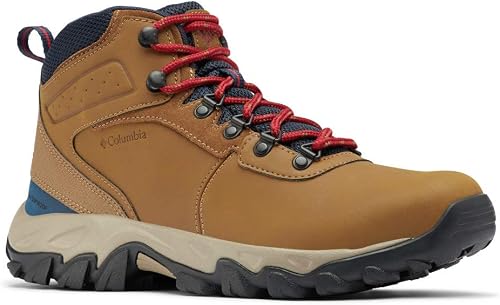
Best Hiking Boots for Beginners in 2026: 3 Top Picks + Buying Guide
Best Hiking Boots for Annapurna Circuit Made Simple: A Clear Buying Guide for 2026

Best Duck Boots for Hiking: When Rubber and Leather Beat Trail Shoes (2026)

Best Low Hiking Shoes for Wide Feet: Which One Fits the Way You Use It for 2026