Best Insulated Winter Hiking Boots for 2026: Which One Fits the Way You Use It?
There is no single pair of best insulated winter hiking boots that suits every trail, every temperature, and every foot. A boot that feels perfect on a slow snowy walk can feel far too warm and stiff on a fast climb, and a light boot that moves well can leave your toes cold during long stops.
What matters most is matching insulation, fit, traction, and support to the way you actually hike. This guide walks through those choices by use case, so you can read the comparison table below with a clear idea of which column of specs deserves your attention first.
Compare Products

- ALK Score9.2
Gigacamping Score is a ranking system developed by Coffeecraze.org. Gigacamping Score has no relationship or impact with any manufacturers or sales agent websites. Learn more
- BrandOboz

Columbia Mens Firecamp Insulated Hiking Boot, Black/City Grey, 11
- ALK Score9.2
Gigacamping Score is a ranking system developed by Coffeecraze.org. Gigacamping Score has no relationship or impact with any manufacturers or sales agent websites. Learn more
- BrandColumbia

THE NORTH FACE Men's Bergen Mid WP Hiking Boot, Blk/Anthracite
- ALK Score8.8
Gigacamping Score is a ranking system developed by Coffeecraze.org. Gigacamping Score has no relationship or impact with any manufacturers or sales agent websites. Learn more
- BrandThe North Face

NORTIV 8 Men's Waterproof Hiking Winter Snow Boots,Dark/Brown/Black/1,10.5 | Insulated
View on Amazon- ALK Score9.0
Gigacamping Score is a ranking system developed by Coffeecraze.org. Gigacamping Score has no relationship or impact with any manufacturers or sales agent websites. Learn more
- BrandNORTIV 8

- ALK Score9.0
Gigacamping Score is a ranking system developed by Coffeecraze.org. Gigacamping Score has no relationship or impact with any manufacturers or sales agent websites. Learn more
- BrandXPETI

XPETI Men’s Crest Thermo High-Top Winter Hiking Boots Waterproof Insulated
- ALK Score8.8
Gigacamping Score is a ranking system developed by Coffeecraze.org. Gigacamping Score has no relationship or impact with any manufacturers or sales agent websites. Learn more
- BrandXPETI

- ALK Score8.8
Gigacamping Score is a ranking system developed by Coffeecraze.org. Gigacamping Score has no relationship or impact with any manufacturers or sales agent websites. Learn more
- BrandALEADER

HOTBEAR Men's Thinsulate Insulated Winter Snow Boots with Wide Toe
- ALK Score9.0
Gigacamping Score is a ranking system developed by Coffeecraze.org. Gigacamping Score has no relationship or impact with any manufacturers or sales agent websites. Learn more
- BrandHOTBEAR

- ALK Score9.2
Gigacamping Score is a ranking system developed by Coffeecraze.org. Gigacamping Score has no relationship or impact with any manufacturers or sales agent websites. Learn more
- BrandOUTJET

- ALK Score8.8
Gigacamping Score is a ranking system developed by Coffeecraze.org. Gigacamping Score has no relationship or impact with any manufacturers or sales agent websites. Learn more
- BrandSHULOOK
Last update on 2026-11-16 / Affiliate links / Images, Product Titles, and Product Highlights from Amazon Product Advertising API
Start with your typical winter day outdoors, not with the coldest day you can imagine. Think about how long you stay out, how hard you work while moving, how much snow you walk through, and how long you stand still. Those answers point you toward the right amount of insulation, the right shaft height, and the right level of stiffness before you look at any brand or price.
For Frequent or Serious Users
If you hike in snow several times a month, you need durability and consistent warmth more than a low price. Look for a sturdy leather or robust synthetic upper, a well built rand where the upper meets the sole, and insulation around 400 grams for cold regions. Strong ankle support and a firm midsole help on uneven frozen ground and when you carry a heavier pack. A solid warranty matters here because seams, eyelets, and soles take real punishment across a full season of regular use.
For Light Travel and Easy Packing
If your boots travel in a duffel, a car trunk, or share a cabin with limited storage, a lighter and less bulky pair makes daily life easier. Boots with insulation around 200 grams and a lower shaft take up less room and dry faster between outings. They also suit travelers who pack boots into a duffel for a single winter trip. For broader winter use beyond the trail, see our guide to the best insulated winter boots, which covers pairs meant more for town and yard than for hiking.
For Weekend Beginners
If you are new to winter hiking, comfort and forgiveness matter more than extreme ratings. Choose a boot that feels good in the store with your hiking socks on, with insulation around 200 to 400 grams for most regions. A moderate flex makes walking natural on groomed trails and packed snow, and a budget of around $150 usually covers dependable options for casual use. Many readers comparing general winter options also start with our guide to the best winter boots hiking before narrowing down to insulated models.
For Bad Weather and Tough Conditions
If you hike through storms, deep snow, and slush, protection becomes the priority. A taller shaft keeps snow out when you step through drifts, and a waterproof membrane keeps meltwater from soaking the insulation. Pair that with a deep lugged outsole for grip on slick ground. Pay attention to cold safety as well. Toes that go numb and stay numb, skin that looks pale or feels hard, or pain that returns as feeling comes back can signal frostbite, so stop, warm up indoors, and seek medical care promptly if those signs appear.
Once your use case is clear, compare the features below in the product table above and in product listings. Each feature changes how the boot feels on the trail, and the right balance depends on whether you move fast, carry weight, or spend long periods standing in snow. That balance is what separates the best insulated winter hiking boots from pairs that only look warm on paper.
Insulation Weight and Warmth
Insulation in winter boots is usually described in grams, such as 200 grams, 400 grams, or 600 grams, and more grams generally means warmth for colder or slower outings. Active hikers who climb steadily often stay warm in 200 gram boots because working muscles produce heat, while slower walkers, photographers, and ice fishers who stand still usually need 400 grams or more. Remember that warmth also depends on blood flow, sock choice, and how roomy the boot is, since a cramped boot can feel cold even with thick insulation.
Break In Period and Comfort Out of the Box
Stiff winter boots often need a gradual break in period before they feel natural. Start with short walks around your neighborhood, then easy trails, and only then a longer hike, watching for hot spots on your heel or pressure across the top of your foot. Boots with more flexible soles and softer uppers usually feel comfortable sooner, while rigid mountaineering style boots can take weeks. Lace tension matters too. Snug lacing at the ankle with a little more room over the toes gives support without cutting circulation on cold days.
Cushioning and Support
Cushioning underfoot softens the impact of frozen trails, which feel much harder than summer dirt. A thicker midsole absorbs shock but can feel less stable on side slopes, so think about stability as well as softness. Boots built with firmer support suit loaded packs and rough terrain, much as supportive footwear differs from soft neutral shoes that rely mostly on foam. Arch support matters on long descents, and heel to toe drop influences how the boot rolls forward. A moderate drop feels familiar to most walkers, while a flatter design can feel steadier when you wear snowshoes.
Fit, Sizing, and toe box
Fit is the single biggest factor in warm feet. Measure your feet late in the day, when they are slightly larger, and try boots on while wearing the thick socks you plan to hike in. You want about a thumb width of space in front of your longest toe, a heel that stays put when you walk downhill, and a toe box wide enough for your toes to spread and wiggle. Feet differ by brand lasts, so if you need a narrower fit, see our guide to the best winter hiking boots women's for sizing notes written for those lasts.
Waterproofing With Gore Tex and Other Membranes
A waterproof membrane such as Gore Tex keeps slush and meltwater out while letting some moisture vapor escape, but no winter boot is truly breathable once insulation and snow are involved. If your routes cross wet snow, shallow streams, or rain at the trailhead, waterproofing is worth it. In dry, very cold snow, a non waterproof insulated boot can actually dry faster after a trip. Keep in mind that membranes sit inside the boot, so a torn lining or cracked upper can let water in long before the outside looks worn out.
Use this quick matching step before you order. Write down your coldest expected temperature, your average hike length, and whether you will wear snowshoes or traction devices. Boots with a stiff sole and a pronounced heel step hold snowshoe bindings and crampon straps more securely, while flexible boots suit plain trail walking. If most of your hiking happens in milder months with only occasional cold snaps, our guide to the best insulated hiking boots covers lighter options that bridge the seasons.
Socks deserve a decision too, because they change both warmth and fit. A single pair of thick wool hiking socks usually works better than layering two thin pairs, which can bunch and press on your toes. Bring your chosen socks when you try boots on, and if you plan to add a liner sock for very cold trips, leave a little extra room for it. Readers shopping for a wider, heavier duty fit may also compare notes in our guide to the best men's winter hiking boots, which discusses sizing for larger feet in more detail.
- Choosing only by the temperature rating or price, which can leave you with a boot that is warm but far too stiff or heavy for your trails.
- Buying your summer shoe size without room for thick socks, which squeezes your toes and makes your feet feel colder.
- Skipping the break in period, which often turns a first long hike into blisters and sore ankles.
- Ignoring outsole tread depth, which leaves you slipping on packed snow and ice even when the insulation is excellent.
- Forgetting to check the return policy and warranty, which matters when sizing between two close options is hard to judge at home.
Good care keeps insulation lofty and leather or synthetic uppers from cracking. After each hike, pull out the insoles, loosen the laces, and air dry your boots at room temperature away from direct heat, since radiators and hair dryers can damage adhesives and dry out leather. Stuffing boots loosely with newspaper for the first hours helps draw moisture out of the insulation.
Brush off dried mud and road salt before it works into seams, and rinse salt marks with plain water because salt can stain and weaken materials over time. Treat leather uppers with a conditioner or waterproofing product made for footwear when water stops beading on the surface. Store boots upright in a dry room, not in a sealed plastic bin, and check soles, eyelets, and stitching at the start of each season so small damage can be repaired before it grows.
Do I need waterproof insulated winter hiking boots?
You need waterproofing if your hikes involve wet snow, slush, or shallow water crossings. In consistently dry and very cold conditions, waterproof membranes matter less because snow stays powdery and rarely melts into the boot. One point many buyers miss is gaiters. A good pair of gaiters over any boot keeps deep snow from entering at the top, which is where much of the wetness on long snowy hikes actually comes from.
Can I wear insulated winter hiking boots all day?
Yes, you can wear them all day if the fit is right and the insulation matches the temperature. Boots that are too warm cause sweaty feet indoors or during hard climbs, and damp socks then chill your feet later. For mixed days of driving, town stops, and trail time, consider loosening laces during breaks and changing into dry socks before the hike itself. Rotating to a lighter shoe for long indoor stretches also helps the insulation dry fully.
How often should I replace my insulated winter hiking boots?
Replace them when the outsole lugs wear smooth, the midsole feels packed down and harsh, or the upper cracks and lets water reach the insulation. For many hikers that point arrives after several seasons of regular use rather than on a fixed schedule. A useful check is the thumbnail test on the midsole foam. If it feels hard and does not spring back at all, cushioning is largely gone even if the boots still look presentable.
How long is the break in period for insulated winter hiking boots?
The break in period for most insulated winter hiking boots runs from a few short walks to about two weeks of regular use. Flexible models settle quickly, while stiff leather boots with rigid soles take longer. Speed the process by wearing the boots around the house and on errands before trail use. If a specific spot rubs on every outing after several sessions, that pressure point rarely disappears, so exchange the size or model while returns are still easy.
Are expensive insulated winter hiking boots worth the money?
They can be worth it if you hike often in harsh conditions, because higher prices usually buy better insulation, tougher uppers, and soles with stronger grip. For a few gentle outings each winter, a mid priced pair around $150 often serves just as well. One extra to budget for is traction devices for ice, which improve safety more than a price jump in the boots themselves when your trails freeze hard.
How should insulated winter hiking boots fit?
Insulated winter hiking boots should fit snugly at the heel and midfoot with clear space for your toes to move. Your toes should not touch the front when you kick a step or walk downhill on an incline board in the store. Try a simple home test too. Stand in the boots on a slope or staircase and check whether your heel lifts more than a small amount with each step, since repeated lift is the main cause of heel blisters on winter trails.
The right choice comes down to three things: enough insulation for how still or active you are, a fit that leaves room for thick socks without heel slip, and an outsole that grips the surfaces you walk on. Weigh those against the product table above, and you will narrow the field quickly. For most winter hikers, best insulated winter hiking boots simply means the pair matched to your own routes, your own feet, and the cold you actually face.


Best Binoculars for Long Range Shooting: Spotting Hits and Reading Conditions (2026)

Best Hiking Boots for Wide Feet Men's in 2026: Which Type Is Right for You?

Best Hiking Boots for Zion National Park: Matching the Right Model to Your Routine for 2026

Best Lightweight Gore Tex Hiking Boots: A Budget to Premium Buying Guide for 2026
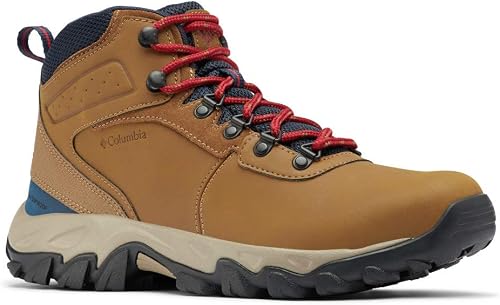
Best Hiking Boots for Beginners in 2026: 3 Top Picks + Buying Guide
Best Hiking Boots for Annapurna Circuit Made Simple: A Clear Buying Guide for 2026

Best Duck Boots for Hiking: When Rubber and Leather Beat Trail Shoes (2026)

Best Low Hiking Shoes for Wide Feet: Which One Fits the Way You Use It for 2026