Best Light Gathering Binoculars: A Buyer Checklist for 2026
Dim light is where ordinary binoculars start to fail. Shadows swallow detail, colors fade, and a deer or owl that should be easy to spot turns into a vague shape. Choosing best light gathering binoculars means looking past magnification claims and judging how much usable light actually reaches your eyes.
This guide turns that judgment into a simple checklist you can use on any listing. Work through the comparison table below while you read, check the exit pupil and coatings first, and you will quickly see which models suit dawn, dusk, and shaded woods.
Compare Products

Vortex Viper HD Roof Prism Binoculars 12x50 | HD Optics,
- ALK Score9.4
Gigacamping Score is a ranking system developed by Coffeecraze.org. Gigacamping Score has no relationship or impact with any manufacturers or sales agent websites. Learn more
- BrandVortex

- ALK Score9.6
Gigacamping Score is a ranking system developed by Coffeecraze.org. Gigacamping Score has no relationship or impact with any manufacturers or sales agent websites. Learn more
- BrandVortex

- ALK Score9.4
Gigacamping Score is a ranking system developed by Coffeecraze.org. Gigacamping Score has no relationship or impact with any manufacturers or sales agent websites. Learn more
- BrandNikon

- ALK Score9.4
Gigacamping Score is a ranking system developed by Coffeecraze.org. Gigacamping Score has no relationship or impact with any manufacturers or sales agent websites. Learn more
- BrandNikon

- ALK Score8.6
Gigacamping Score is a ranking system developed by Coffeecraze.org. Gigacamping Score has no relationship or impact with any manufacturers or sales agent websites. Learn more
- BrandCelestron

- ALK Score9.2
Gigacamping Score is a ranking system developed by Coffeecraze.org. Gigacamping Score has no relationship or impact with any manufacturers or sales agent websites. Learn more
- BrandCelestron

- ALK Score9.2
Gigacamping Score is a ranking system developed by Coffeecraze.org. Gigacamping Score has no relationship or impact with any manufacturers or sales agent websites. Learn more
- BrandCelestron
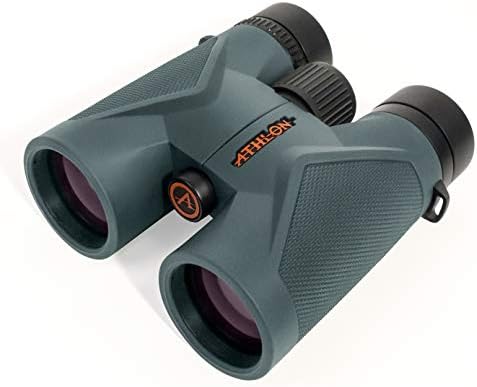
Athlon Optics Midas UHD 8x42 Binoculars, ED Glass, Gray, Waterproof
- ALK Score9.6
Gigacamping Score is a ranking system developed by Coffeecraze.org. Gigacamping Score has no relationship or impact with any manufacturers or sales agent websites. Learn more
- BrandAthlon Optics

Bushnell Legacy WP 10x50 Wide-Angle Porro Prism Binoculars, Black |
- ALK Score9.0
Gigacamping Score is a ranking system developed by Coffeecraze.org. Gigacamping Score has no relationship or impact with any manufacturers or sales agent websites. Learn more
- BrandBushnell

- ALK Score9.4
Gigacamping Score is a ranking system developed by Coffeecraze.org. Gigacamping Score has no relationship or impact with any manufacturers or sales agent websites. Learn more
- BrandNikon
Last update on 2026-11-16 / Affiliate links / Images, Product Titles, and Product Highlights from Amazon Product Advertising API
Light gathering is not a single spec you can read off a box. It is the combined result of lens size, magnification, glass quality, and coatings, and a weakness in any one of them dims the whole view. Use the six factors below in order to tell the best light gathering binoculars from models that only sound bright on paper, and compare candidates in the product table above against each one.
Objective Lens Size and Exit Pupil
The objective lens is the large front lens, and its diameter is the second number in a size such as 8x42 or 10x50. A larger objective collects more light, which is the raw material for a brighter image. Divide that diameter by the magnification to get the exit pupil, so an 8x42 gives about 5.3 mm and a 10x50 gives 5 mm. For dim conditions, look for an exit pupil around 5 mm or larger, since your own pupil widens in low light and can use that wider beam.
Magnification and Brightness Balance
Higher magnification makes distant subjects look closer, but it also spreads the collected light over a larger image and makes hand shake more obvious. That is why a 10x42 often looks dimmer than an 8x42 even though both share the same front lens size. For most dawn and dusk viewing, 8x or 10x paired with a 42 mm or 50 mm objective is the practical range. Going beyond 10x usually calls for a tripod, and the extra reach rarely helps if the image is too dark to read.
Lens Coatings and Prism Glass
Bare glass reflects part of the light at every surface, and binoculars contain many surfaces, so coatings decide how much light survives the trip to your eyes. Look for wording that says fully multi coated, which means all air to glass surfaces carry multiple coating layers for better transmission and contrast. Prism glass matters too, and BaK 4 prisms are generally preferred over BK 7 for sharper edges and less falloff. Some models add ED glass to reduce color fringing, which helps when you are picking out subtle plumage or antler detail against a bright sky.
Durability and Weather Sealing
Binoculars built for dawn and dusk spend their lives outdoors in dew, drizzle, and cold air, so sealing is a light gathering issue as much as a durability one. Internal fogging can ruin a bright optic in minutes when you move from a warm car into cool morning air. Choose a waterproof and fogproof build, usually described as sealed and purged with nitrogen or argon gas. A rubber armor coating adds grip with gloves and protects the barrels from knocks, while tethered lens covers keep the glass guarded in a pack.
Focus Control and Eye Relief
A smooth center focus wheel lets you track a moving animal without fighting stiffness or overshooting the sharp point. In gloves or cold weather, a larger wheel with clear texture is much easier to use, so check owner comments about focus feel when you can. Eye relief is the distance your eye can sit from the rear lens and still see the full field, and around 15 mm or more suits most glasses wearers. Adjustable eye cups that twist up and lock in place help you hold that distance steady.
Size, Weight, and Holding Steady
The brightest binocular on paper does you no good if it stays home because it feels like a brick around your neck. Full size 10x50 models gather excellent light but can weigh around 30 ounces or more, while many 8x42 models sit closer to 22 to 26 ounces. A steady hold also protects brightness, because a shaking image looks darker and less detailed than it really is. If weight is your main concern for long walks, see our guide to the best light weight binoculars for lighter formats that trade some brightness for comfort.
Once a model passes the checklist above, the right choice depends on when and where you actually glass. The three situations below cover most buyers, and each one weights the same specs a little differently. Match your own habits honestly, because buying for a rare trip instead of your normal routine usually leads to the wrong size.
Dawn and Dusk Wildlife Watching
Birders and wildlife watchers need brightness plus a wide field of view for following movement in brush and along tree lines. An 8x42 with an exit pupil above 5 mm and a field around 7 degrees or wider is a strong all around pattern for this work. Close focus near 6 to 8 feet also helps for butterflies and nearby songbirds during brighter hours. If this is your main use, see our guide to the best binoculars for low light for more viewing scenarios at dawn and dusk.
Hunting at First and Last Light
Hunters often judge game in the first and last minutes of legal light, when contrast matters as much as raw brightness. A 10x42 suits open country where shots and glassing distances run long, while an 8x42 is easier to hold steady in timber and gives a wider view for scanning edges. Durable armor, secure lens covers, and a harness that keeps the optic quiet and close to your chest all matter in the field. For setups built around this routine, see our guide to the best low light binoculars for hunting.
Boating, Travel, and Casual Astronomy
On the water, a 7x50 has long been popular because its large exit pupil stays easy to use on a moving deck and its lower power limits shake. Travelers face the opposite pressure, since pack space is limited and a compact model may be the one that actually comes along. For casual night sky viewing, a 10x50 shows the Moon, star clusters, and bright planets well from a reclined chair or a tripod. In every case, sealed construction protects the optic when weather or spray arrives without warning.
Run through these questions on any model you are considering, including the options in the product table above. A good candidate should earn a clear yes on nearly all of them. If a listing cannot answer one of these points, treat that silence as useful information and keep looking.
- Is the exit pupil around 5 mm or larger for the light you will use it in?
- Does the listing state fully multi coated optics rather than just coated?
- Is the prism glass named, and is it BaK 4 or an equivalent quality glass?
- Is the body waterproof and fogproof with gas purging clearly stated?
- Is the eye relief long enough for your glasses, if you wear them?
- Can you hold the weight comfortably for the length of a typical outing?
- Does the warranty cover defects for a reasonable period from a known maker?
Shoppers comparing optics for mixed weather and shade should also see our guide to the best binoculars for low light conditions, which covers similar ground for general outdoor use. That comparison is helpful when your viewing shifts between woods, fields, and open water in a single season.
Weak binoculars often hide behind loud marketing, and a few warning signs show up again and again. Spotting them early saves you a return and a missed season of good viewing.
- Huge magnification claims such as 20x or 30x on a small body, since the exit pupil shrinks and the image turns dim and shaky.
- Vague coating language like coated optics with no detail, since that often means only some surfaces carry a single layer.
- No stated prism glass or prism type, since makers of quality optics usually name both with pride.
- Night vision claims for a standard binocular, since ordinary glass cannot amplify light the way electronic night vision devices do.
- A very short warranty or an unnamed seller, since support matters when seals, hinges, or focus wheels fail.
Ratings can help you sort options, but read them for patterns about focus feel, fogging, and hinge play rather than star averages alone. If you want a broader view of how shoppers rate full size optics, see our guide to the best rated binoculars and note which strengths reviewers mention most often.
Clean glass is a brightness feature, because dust, salt spray, and fingerprint oils scatter light and wash out contrast. Blow loose grit off the lenses first, then wipe gently with a clean microfiber lens cloth using light circular strokes. Never use a shirt tail or paper tissue, since trapped grit and rough fibers can scratch delicate coatings over time.
Store your binoculars in a dry padded case with the lens covers on, away from damp basements and hot car trunks where heat can stress seals and lubricants. After a wet outing, let the outside dry at room temperature before casing it, and check the hinge and focus wheel for smooth movement. If internal fogging ever appears, do not open the barrels yourself, since that breaks the gas seal and the repair belongs with the maker or an authorized service center.
Is a smartphone camera enough instead of light gathering binoculars?
No, a smartphone camera is not a full substitute for binoculars built for dim light. Phone zoom is mostly digital cropping, so detail falls apart quickly at distance, and the small phone lens gathers far less light than a 42 mm or 50 mm objective. A phone is handy for recording a sighting once you find it. For actually finding and identifying animals at dawn or dusk, dedicated glass remains far more capable and comfortable for both eyes.
What do numbers like 8x42 or 10x42 mean on binoculars?
The first number is magnification and the second is the objective lens diameter in millimeters. An 8x42 makes a subject look eight times closer and uses 42 mm front lenses, while a 10x42 magnifies more through the same size glass. Dividing the second number by the first gives the exit pupil, a quick brightness guide. One extra point many buyers miss is that field of view usually narrows as magnification rises, so the 8x option often feels easier for scanning.
What specs matter most for beginners buying light gathering binoculars?
Beginners should start with exit pupil, coatings, and a size they can hold steady for several minutes. An 8x42 with fully multi coated optics and BaK 4 prisms covers most first uses without special skill or a tripod. Budget around $100 to $250 often buys noticeably better glass and sealing than the lowest price tier. Skip extreme magnification for a first pair, since a steady and bright image teaches your eyes far more than extra power does.
Which binocular size is better for low light viewing, 8x42 or 10x50?
Both sizes can work well, and the better choice depends on how steady your hold is and how far away your subjects sit. A 10x50 offers a 5 mm exit pupil with more reach, which suits open fields and casual astronomy from a supported position. An 8x42 gives a slightly larger exit pupil and a wider, steadier view for walking and scanning woods. If you mostly glass while standing and moving, the lighter 8x42 usually delivers more usable detail in practice.
How much should you spend on your first pair of light gathering binoculars?
Plan on about $100 to $250 for a first pair with sound glass, real sealing, and a warranty you can use. Below that range, coatings and prism quality often drop enough that dim light performance suffers, which defeats the purpose of this category. Spending more mainly buys better edge sharpness, stronger low light contrast, and smoother mechanics rather than a different experience altogether. Buying once at a sensible level is usually cheaper than replacing a dim pair after one season.
Bright viewing at dawn and dusk comes down to a few honest numbers and build details, not marketing claims. Check the exit pupil first, confirm the coatings and prism glass, and insist on real weather sealing so the view stays clear outdoors. Then pick the size that fits your hands, your outings, and your budget, using the product table above to compare candidates side by side.
If you remember those priorities, the best light gathering binoculars for your needs will stand out quickly from the dim and shaky alternatives. Take your time with the checklist, and your next early morning in the field will show you details you used to miss.


Best Binoculars for Long Range Shooting: Spotting Hits and Reading Conditions (2026)

Best Hiking Boots for Wide Feet Men's in 2026: Which Type Is Right for You?

Best Hiking Boots for Zion National Park: Matching the Right Model to Your Routine for 2026

Best Lightweight Gore Tex Hiking Boots: A Budget to Premium Buying Guide for 2026
Best Hiking Boots for Beginners in 2026: 3 Top Picks + Buying Guide
Best Hiking Boots for Annapurna Circuit Made Simple: A Clear Buying Guide for 2026

Best Duck Boots for Hiking: When Rubber and Leather Beat Trail Shoes (2026)

Best Low Hiking Shoes for Wide Feet: Which One Fits the Way You Use It for 2026