Best Men's Hiking Boots for Extra Wide Feet: A Practical Fit Checklist for 2026
Many men with broad feet know the pattern well. A boot feels fine in the store, then two miles into a trail your forefoot aches, your toes press against the sides, and every downhill step turns into a negotiation. Choosing best men's hiking boots for extra wide feet is less about a single feature and more about true width, internal volume, and support working together for the whole hike.
This guide walks through a clear checklist you can use with any listing or store visit. It covers width labels, toe box shape, cushioning, stability, waterproofing, and sizing habits that prevent costly mistakes. Start with the checklist, then use the comparison table below to see how your options line up.
Compare Products

- ALK Score9.0
Gigacamping Score is a ranking system developed by Coffeecraze.org. Gigacamping Score has no relationship or impact with any manufacturers or sales agent websites. Learn more
- BrandTimberland

- ALK Score9.0
Gigacamping Score is a ranking system developed by Coffeecraze.org. Gigacamping Score has no relationship or impact with any manufacturers or sales agent websites. Learn more
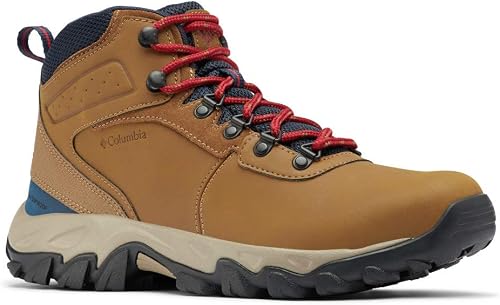
- BrandColumbia

- ALK Score8.8
Gigacamping Score is a ranking system developed by Coffeecraze.org. Gigacamping Score has no relationship or impact with any manufacturers or sales agent websites. Learn more
- BrandNORTIV 8

- ALK Score9.2
Gigacamping Score is a ranking system developed by Coffeecraze.org. Gigacamping Score has no relationship or impact with any manufacturers or sales agent websites. Learn more
- BrandDanner

- ALK Score8.8
Gigacamping Score is a ranking system developed by Coffeecraze.org. Gigacamping Score has no relationship or impact with any manufacturers or sales agent websites. Learn more
- BrandKEEN
- ALK Score9.0
Gigacamping Score is a ranking system developed by Coffeecraze.org. Gigacamping Score has no relationship or impact with any manufacturers or sales agent websites. Learn more
- BrandN/A

- ALK Score9.0
Gigacamping Score is a ranking system developed by Coffeecraze.org. Gigacamping Score has no relationship or impact with any manufacturers or sales agent websites. Learn more
- BrandJIM GREEN

- ALK Score8.4
Gigacamping Score is a ranking system developed by Coffeecraze.org. Gigacamping Score has no relationship or impact with any manufacturers or sales agent websites. Learn more
- BrandN/A

- ALK Score9.2
Gigacamping Score is a ranking system developed by Coffeecraze.org. Gigacamping Score has no relationship or impact with any manufacturers or sales agent websites. Learn more
- BrandOrthoComfoot

- ALK Score9.4
Gigacamping Score is a ranking system developed by Coffeecraze.org. Gigacamping Score has no relationship or impact with any manufacturers or sales agent websites. Learn more
- BrandOrthoComfoot
Last update on 2026-11-16 / Affiliate links / Images, Product Titles, and Product Highlights from Amazon Product Advertising API
Extra wide on a size chart can mean very different things from one brand to the next. Some models add room only at the forefoot, while others add volume through the midfoot and instep as well. The sections below explain what to check first.
What Men Should Look For
Start with honest sizing information. A boot in true extra wide sizes should list its width options clearly, such as 2E or 4E, rather than relying on vague words like roomy or generous. Look for a last, the foot shaped form a boot is built around, that is wide through the whole foot instead of a standard boot sold in a larger length. Weight matters too, because a heavy boot tires wide feet faster on climbs, and a supportive heel counter holds the rear of the foot steady so the forefoot can stay relaxed.
Features That Matter for Extra Wide Feet
Width alone does not guarantee comfort. The toe box should allow your toes to lie flat and spread slightly when you stand on a slope, because feet naturally widen under load. Volume matters just as much for men with a high instep, since a shallow boot can press on the top of the foot even when the width looks right. Cushioning under the forefoot helps on rocky descents, and firm arch support keeps a broad foot from rolling inward.
Fit, Sizing, and Toe Box
Measure both feet late in the afternoon, when they are at their largest, and size for the bigger foot. Try boots on with the hiking socks you actually wear, and leave about a thumb width of space in front of your longest toe for downhill walking. Your heel should stay seated when you walk, while the forefoot should feel held, not squeezed. If you are still learning how standard wide sizes differ from true extra wide sizes, see our guide to the best hiking boots for wide feet men's for a comparison of width labels.
Walk on an incline or a set of store steps if you can. Toes that touch the front on a short slope will bruise on a long descent, and a boot that feels snug across the ball of the foot rarely becomes comfortable later.
Waterproofing With Gore Tex and Other Membranes
A waterproof membrane such as Gore Tex keeps rain and shallow puddles out, which helps on muddy spring trails and wet grass. The trade off is airflow, because a membrane slows the escape of sweat and heat on warm days. Check that the waterproof version of a boot uses the same wide last as the standard version, since some lines narrow slightly when a membrane is added. For a deeper look at wet weather options in wide sizes, see our guide to the best waterproof men's hiking boots for wide feet before you decide.
Upper Materials and Breathability
Leather uppers mold gradually to the shape of a broad foot and resist scuffs from rocks, but they feel warmer and take longer to dry. Mesh and fabric uppers breathe better and feel lighter, which suits men whose feet run hot, though they offer less protection against sharp stones. Split leather combined with mesh is a common middle ground. Whatever the material, check that seams sit away from the widest part of your forefoot, because a seam over a bunion will rub for the life of the boot.
Break In Period and Comfort From the First Wear
A good fitting extra wide boot should feel comfortable on short walks right away, with no sharp pressure points. Leather models usually soften over several outings, while fabric models change very little after the first few wears. Build up distance gradually, starting with walks around your neighborhood before a long trail day. Hot spots that appear in the same place on every walk are a fit warning, not a stage to push through.
When you shop for the best men's hiking boots for extra wide feet, the product table above helps you compare width options and weights side by side, but the right choice still depends on how and where you hike. The three groups below cover the most common situations, and each group points to different priorities.
Day Hikers on Moderate Trails
If your hikes run three to eight miles on maintained trails, favor lighter boots with flexible soles and generous cushioning. A mid height collar gives ankle support without the stiffness of a tall boot, and a moderate heel to toe drop feels natural at a steady pace. Breathability often matters more than waterproofing in summer, because feet managed for sweat blister less than feet sealed inside a warm membrane. Men who also hike easy, dry paths in open footwear may want to see our guide to the best men's hiking sandals for wide feet for warm weather outings.
Backpackers Carrying Heavier Loads
A loaded pack changes what your feet need. Extra weight drives the foot to spread further inside the boot, so backpackers with wide feet benefit from a roomy toe box and a stiffer outsole that spreads pressure from rocks across the whole sole. Stability becomes the priority, with a firm midsole and a secure heel hold that keep the foot from sliding forward on descents. Size with your thickest socks and pack weight in mind, and leave a little more toe room than you would for day hikes.
Men With Bunions, High Insteps, or Orthotics
Sensitive joints and added inserts both demand internal space that a width label alone cannot describe. Look for a toe box that is tall as well as wide, soft material over the forefoot that can give slightly over a bunion, and a removable insole so your orthotic fits without crowding. Lacing helps as well, such as skipping an eyelet over a pressure point on the instep while keeping the heel locked. If standard extra wide boots still pinch, our overview of the best hiking boots for extra wide feet explains how the widest lasts differ from ordinary wide models.
Run through these questions before you pay. A boot that earns a yes on nearly all of them is far more likely to stay comfortable over time.
- Does the listing state a true extra wide size, such as 2E or 4E, rather than only calling the boot roomy?
- Can your toes lie flat and spread slightly inside the toe box while you stand?
- Does your heel stay in place when you walk downhill or down steps?
- Is there about a thumb width of space ahead of your longest toe?
- Did you try the boots late in the day while wearing your hiking socks?
- Does the level of waterproofing match the climate and trails you hike most?
- Can you return or exchange the boots after an indoor trial walk?
Some listings look appealing until you read them closely. Treat these signs as reasons to look for clearer information.
- A boot sold as extra wide with no stated width letter or measurement, because you have no way to confirm the fit before it arrives.
- Sizing advice that tells wide footed men to simply buy a longer size, because extra length without extra width causes heel slip and toe bang.
- Vague claims about support with no mention of the midsole, shank, or outsole, because real stability comes from named parts of the boot.
- A waterproof claim with no named membrane or seam treatment, because light water resistance fades quickly in steady rain.
Care for these boots is simple, and it protects the fit you worked to find. Knock dried mud from the outsole after hikes and brush dirt from the upper, because grit wears fabric and leather down. Air dry wet boots at room temperature away from direct heat, and loosen the laces and remove the insoles so the inside dries fully. Stuffing the boots with newspaper helps pull moisture from a wide toe box that dries slowly.
Leather uppers benefit from occasional conditioning once they look dry or pale, which keeps the material supple over flex points. Store boots upright in a dry place, and rotate a second pair if you hike several days in a row. Check the lugs and midsole every few months, and replace worn insoles first when cushioning feels thin. On hot rest days at camp, some hikers rest their feet in open footwear, and our guide to the best men's sandals for extra wide feet covers options that fit broad feet without squeezing.
What makes men's hiking boots for extra wide feet different from standard width boots?
Men's hiking boots for extra wide feet are built on a wider last, so the extra room runs through the forefoot, midfoot, and often the instep rather than sitting only at the toes. Standard boots lengthened to feel roomier add space in the wrong places and let the heel wander. True wide lasts also tend to use a taller toe box, which helps men whose feet are broad and thick from top to bottom.
How often should you replace men's hiking boots for extra wide feet?
You should replace men's hiking boots for extra wide feet when the midsole feels flat and the outsole lugs no longer grip on wet rock or loose gravel. For many hikers that point arrives after several hundred miles, sooner for heavier walkers and backpackers. A useful home check is pressing your thumb into the midsole foam at the heel. If it feels hard and barely gives, the cushioning is largely spent even if the upper still looks fine.
Are expensive men's hiking boots for extra wide feet worth paying more for?
Expensive men's hiking boots for extra wide feet are worth it when the higher price buys a true wide last, durable leather, and a long wearing outsole. Paying more for fashion details or features you will not use adds little. Men who hike a few times a year on easy trails can do well at moderate prices, while frequent backpackers usually feel the benefit of stronger materials and firmer support on long, loaded days.
How should men's hiking boots for extra wide feet fit at the toes and heel?
Men's hiking boots for extra wide feet should fit snugly at the heel and midfoot while the toes rest flat with room to move. A simple test is to slide your foot forward until your toes just touch the front, then check that one finger fits behind your heel. If you cannot fit that finger, the boot is likely too short for descents. Lace firmly over the ankle first, because a locked heel makes your measured toe room usable on the trail.
How long is the break in period for men's hiking boots for extra wide feet?
The break in period for men's hiking boots for extra wide feet usually runs from a few short walks to about two weeks of regular use. Fabric models settle fastest, while full leather boots take longer to soften at the ankle and forefoot. One point many men miss is that width barely changes during break in, so a boot that squeezes your forefoot on day one will still squeeze later. Break in should remove stiffness, not create room that was never there.
Do you need waterproof men's hiking boots for extra wide feet?
You need waterproof men's hiking boots for extra wide feet mainly when you hike in frequent rain, mud, or shallow stream crossings. On dry desert or summer trails, a breathable boot without a membrane often keeps wide feet cooler and more comfortable. Once water enters over the collar of a waterproof boot, the membrane slows drying from the inside, so gaiters matter in deep puddles. Many men who hike all year keep one style for wet seasons and another for dry months.
Comfort in a wide boot comes from the match between your foot shape and the boot last, not from any single headline feature. Keep your focus on true extra wide sizing, a toe box with both width and height, steady heel hold, and support that suits your load and trails. The comparison table above pulls those details together so you can compare candidates quickly.
Measure late in the day, fit with your real hiking socks, and be honest about pressure points during your first indoor walks. When a boot passes those checks, best men's hiking boots for extra wide feet stops being a search phrase and becomes the pair you forget you are wearing, mile after comfortable mile.


Best Binoculars for Long Range Shooting: Spotting Hits and Reading Conditions (2026)

Best Hiking Boots for Wide Feet Men's in 2026: Which Type Is Right for You?

Best Hiking Boots for Zion National Park: Matching the Right Model to Your Routine for 2026

Best Lightweight Gore Tex Hiking Boots: A Budget to Premium Buying Guide for 2026
Best Hiking Boots for Beginners in 2026: 3 Top Picks + Buying Guide
Best Hiking Boots for Annapurna Circuit Made Simple: A Clear Buying Guide for 2026

Best Duck Boots for Hiking: When Rubber and Leather Beat Trail Shoes (2026)

Best Low Hiking Shoes for Wide Feet: Which One Fits the Way You Use It for 2026