Best Hiking Boots for Iceland Winter: A Buying Guide for 2026
Iceland in winter is wet, windy, and slippery, often all in the same hour. Spray from waterfalls soaks your footwear, paths that were clear at breakfast freeze over by lunch, and black sand beaches hide slick patches of ice. Choosing well matters more here than on most trips, so this guide explains how to find the best hiking boots for iceland winter conditions without wading through reviews.
We walk through insulation, waterproofing, traction, fit, and support. The comparison table below pulls the key choices together, and the sections after it explain how to judge those specs against your itinerary.
Compare Products

THE NORTH FACE Men's Bergen Leather Waterproof Hiking Boot |
- ALK Score9.6
Gigacamping Score is a ranking system developed by Coffeecraze.org. Gigacamping Score has no relationship or impact with any manufacturers or sales agent websites. Learn more
- BrandThe North Face

Columbia Mens Firecamp Insulated Hiking Boot, Black/City Grey, 11
- ALK Score9.2
Gigacamping Score is a ranking system developed by Coffeecraze.org. Gigacamping Score has no relationship or impact with any manufacturers or sales agent websites. Learn more
- BrandColumbia

- ALK Score9.2
Gigacamping Score is a ranking system developed by Coffeecraze.org. Gigacamping Score has no relationship or impact with any manufacturers or sales agent websites. Learn more
- BrandKenetrek

XPETI Men’s Thermator Mid-Rise Waterproof Hiking Boot Insulated Non-Slip Black
- ALK Score8.8
Gigacamping Score is a ranking system developed by Coffeecraze.org. Gigacamping Score has no relationship or impact with any manufacturers or sales agent websites. Learn more
- BrandXPETI

- ALK Score9.0
Gigacamping Score is a ranking system developed by Coffeecraze.org. Gigacamping Score has no relationship or impact with any manufacturers or sales agent websites. Learn more
- BrandNORTIV 8
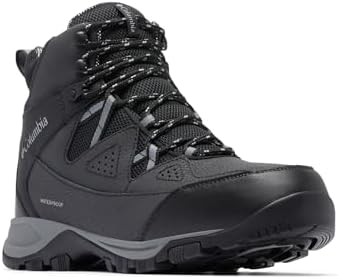
- ALK Score8.8
Gigacamping Score is a ranking system developed by Coffeecraze.org. Gigacamping Score has no relationship or impact with any manufacturers or sales agent websites. Learn more
- BrandColumbia

ALEADER Winter Boots for Men, Waterproof Snow Boots Hiking Shoes
- ALK Score8.8
Gigacamping Score is a ranking system developed by Coffeecraze.org. Gigacamping Score has no relationship or impact with any manufacturers or sales agent websites. Learn more
- BrandALEADER
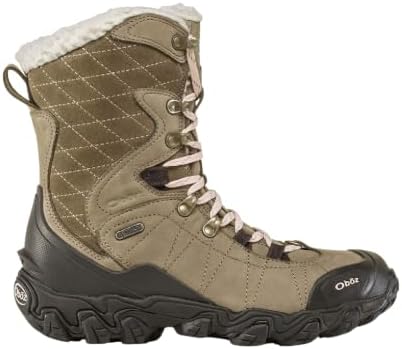
- ALK Score9.0
Gigacamping Score is a ranking system developed by Coffeecraze.org. Gigacamping Score has no relationship or impact with any manufacturers or sales agent websites. Learn more
- BrandOboz

XPETI Men’s Crest Thermo Waterproof Hiking Boots Winter Insulated Hiking
- ALK Score8.8
Gigacamping Score is a ranking system developed by Coffeecraze.org. Gigacamping Score has no relationship or impact with any manufacturers or sales agent websites. Learn more
- BrandN/A

- ALK Score8.8
Gigacamping Score is a ranking system developed by Coffeecraze.org. Gigacamping Score has no relationship or impact with any manufacturers or sales agent websites. Learn more
- BrandThe North Face
Last update on 2026-11-16 / Affiliate links / Images, Product Titles, and Product Highlights from Amazon Product Advertising API
Not every visitor walks the same ground, and the right boot changes with your plans. Travelers visiting in milder months can compare lighter options in our guide to the best hiking boots for iceland, but a winter trip adds insulation and ice grip to the list. The three groups below cover most winter itineraries.
Sightseers Visiting Waterfalls and Coastal Viewpoints
Most classic stops involve short walks on gravel, pavement, and wooden steps, with constant spray near the falls. You need a waterproof boot with a mid height shaft, moderate insulation, and lugs that bite on wet rock. Heavy mountaineering boots are overkill here, but thin summer hikers are not enough, because standing still for photos lets cold creep in faster than walking does.
Glacier Hikers and Ice Cave Tour Guests
Guided glacier walks and ice cave visits usually supply crampons, and guides expect boots that can hold them. That means a firm sole, real ankle support, and a waterproof upper, because soft trail shoes are often turned away at the meeting point. Confirm the boot policy with your tour company before you fly.
Photographers and Northern Lights Chasers
Standing at a tripod for an hour builds almost no body heat, so this group needs the warmest setup of all. Look for generous insulation, a roomy fit that keeps blood flowing, and a tall shaft for roadside snowdrifts. For evenings in town rather than on trails, our guide to the best winter boots for iceland covers casual pairs that trade trail grip for warmth.
Use the product table above as a starting list, then judge each pair against the factors below. The best hiking boots for iceland winter share the same core traits, but the balance of warmth, weight, and stiffness should follow your booked activities.
Features That Matter for Iceland Winter
Winter here means temperatures hovering near freezing, frequent rain mixed with snow, and wind that strips heat from exposed gear. Prioritize a waterproof membrane, about 200 to 400 grams of insulation for most travelers, and a sole built for slick ground. A higher shaft keeps out slush and wind driven snow.
Cold injuries deserve respect on any winter trip. Numb toes that do not regain feeling after you warm up, pale or waxy looking skin, and confusion or slurred speech are warning signs that need prompt medical help. Stop, get out of the wind, and warm up slowly rather than pushing on, and talk with your clinician before travel if circulation problems affect your feet.
Fit, Sizing, and toe box
Measure your feet in the afternoon, when they are slightly swollen, and try boots on while wearing the thick socks you plan to hike in. Aim for about a thumb width of space, roughly 1 to 1.5 cm, between your longest toe and the front of the boot. A roomy toe box is not sloppy fit; it lets toes spread and keeps circulation moving, which keeps feet warm.
Many travelers go up half a size from their street shoes for winter boots. For women, lasts often differ in heel width and volume, so see our guide to the best winter hiking boots women's for fit notes on those shapes. Men with wide feet should also read our guide to the best men's winter hiking boots, which explains wide lasts in more depth.
Upper Materials and Breathability
Full grain leather is the durable classic: it resists abrasion from volcanic rock, sheds water well once treated, and slowly molds to your foot shape. Synthetic uppers are lighter and dry faster after a soaking, yet they usually wear out sooner at flex points. Avoid mostly mesh uppers for winter, because mesh panels let slush and cold wind straight through.
Weight and Flexibility
Heavier boots bring more insulation, stiffer soles, and better protection on rough ground, but they tire your legs on long sightseeing days. Lightweight boots feel easy for short walks between stops. Flexibility is the trade off to watch: a boot that bends easily at the toes walks comfortably, while glacier crampons need a sole that barely bends at all.
Waterproofing With Gore Tex and Other Membranes
A waterproof membrane such as Gore Tex lines the inside of the boot and blocks slush, puddles, and waterfall spray while letting some sweat vapor escape. That breathable quality has limits, so carry a spare pair of socks for steep climbs. Remember that waterproofing only works below the top of the shaft; once water pours over the collar, a membrane boot holds that water in and dries very slowly.
Cushioning and Support
Frozen ground is unforgiving, so a well cushioned midsole protects your joints during long days on hard surfaces. A thicker midsole also insulates your foot from the cold ground beneath it. Most hiking boots use a heel to toe drop of about 8 to 12 mm. For a stable, planted feel on ice crusted paths, look for a wider sole platform and firm midfoot support rather than maximum softness.
Arch Support and Foot Type
Know your foot shape before you shop. flat feet often overpronate, rolling inward with each step, and usually feel better with firmer arch support and a stable heel cup. High arches absorb less shock and tend to prefer more cushioning underfoot. Neutral feet fall between the two. Stock insoles in most boots are fairly flat, so budget for aftermarket insoles if your arches need real shaping.
Traction and Crampon Compatibility
Look for deep lugs, about 4 to 5 mm, cut from a rubber compound that stays grippy in cold weather instead of hardening like plastic. Even the best lugs have limits on smooth ice, so many guides add removable traction aids such as microspikes for icy paths around waterfalls. For guided glacier time, the crampons your tour provides strap onto the boot, so the sole must be stiff, and the shaft must be tall enough to keep the straps seated above your ankle.
Product labels overlap, but winter boots fall into a few loose families. If you also hike in snowy regions closer to home, our guide to the best winter boots hiking explains cold weather specs that apply anywhere. Here is what the main types mean for an Iceland trip.
Neutral Boots
Retailers sometimes list these as neutral shoes or neutral boots, meaning they add no motion control for feet that roll inward or outward. They suit walkers with a natural stride who just need warmth, waterproofing, and grip. The downside is that flat feet may ache in them on long days, because nothing helps hold the arch in place.
Lightweight Boots
Lightweight shoes and light boots cut weight with thinner uppers, less insulation, and softer soles. They work for mild winter days, short viewpoint walks, and travelers who run warm. They lose heat quickly when you stop moving, though, and their soft soles will not hold glacier crampons, so treat them as a fair weather option.
Waterproof Boots Without Insulation
Some waterproof boots skip insulation entirely and rely on your socks for warmth. Paired with heavy merino wool socks, they can handle above freezing rain and spray. The catch is that a thin shell passes cold straight through on frozen ground, so for northern lights evenings or glacier days, an insulated boot is the safer call.
- Buying summer hiking boots and hoping thick socks will add insulation, so cold soaks through the thin sole all day.
- Choosing a snug fashion fit that leaves no room for winter socks, so restricted circulation makes toes colder instead of warmer.
- Wearing cotton socks that hold sweat and slush moisture against the skin, so feet chill quickly once you stop moving.
- Assuming waterproof means warm, so an uninsulated membrane boot leaves feet numb during a long northern lights wait.
- Trusting shallow fashion lugs on icy paths, so one short slide on a viewpoint trail ends with a twisted ankle.
- Flying out with brand new boots that have never been worn, so stiff uppers raise blisters by the second day of the trip.
Winter boots live a hard life of grit, road salt, and daily soaking, and a little care keeps the waterproofing and leather working for many seasons. After each wet day, loosen the laces, pull out the insoles, and let everything air dry at room temperature away from radiators and direct heat. Heat is the quiet enemy: it cracks leather and weakens the glue that bonds soles, so patience beats a hotel heater.
Stuffing damp boots with newspaper pulls moisture out overnight, and rotating between two pairs on a long trip gives each pair a full rest day to dry. Reapply a waterproofing treatment when water stops beading on the upper. Watch the lugs as mileage grows; once the tread looks smooth in the heel and toe zones, traction on ice fades fast and replacement is due.
What features matter most in hiking boots for Iceland winter trips?
Waterproofing, insulation, and traction matter most, in that order for most visitors. A membrane keeps slush and spray out, insulation holds warmth while you stand still, and deep lugs grip wet rock and packed snow. One factor many buyers overlook is wind resistance: a taller, well sealed shaft blocks the wind that makes near freezing air feel far colder.
Do hiking boots for Iceland winter need to be waterproof?
Yes, hiking boots for an Iceland winter trip should be waterproof, because rain, slush, and waterfall spray are nearly guaranteed. One stopgap if you already own good non waterproof boots is a pair of waterproof socks, which keep feet dry inside a soaked boot for short outings. For a full week of wet trails, though, a membrane boot is far more dependable.
How long is the break in period for hiking boots before a trip?
Most hiking boots need about 20 to 30 miles of walking before a trip, spread over two or three weeks. Start with short walks around your neighborhood, then add stairs, hills, and the daypack weight you will actually carry. Leather boots sit at the long end of that range, while synthetic boots often feel ready sooner.
How should hiking boots fit when you wear thick winter socks?
Hiking boots worn with thick winter socks should feel snug through the heel and midfoot, with clear space in front of your toes. A practical test stores rarely mention: walk down an incline or a flight of stairs in the shop, because toes that jam into the front on descents will bruise on real downhill trails.
Can hiking boots for Iceland winter be worn all day?
Yes, hiking boots built for Iceland winter can be worn all day, and many travelers never take them off between the airport and the hotel. To stay comfortable on long tour bus days, loosen the laces during drives, because feet swell while sitting and tight lacing then cuts circulation. Soft shoes at the hotel each evening let your feet and the boots recover.
Are expensive hiking boots for Iceland winter worth the extra cost?
Expensive hiking boots are worth it when the higher price buys better leather, a resoleable build, and a membrane that survives years of flexing. Casual sightseers who walk short distances may never notice those gains, and a mid priced insulated boot serves them well. Spend on fit first: the costliest boot in the wrong size is still the wrong boot.
Warmth, waterproofing, and grip decide whether winter Iceland feels adventurous or miserable. Match insulation to how long you stand still, stiffness to any glacier plans, and fit to the socks you will actually wear, then use the comparison table above to narrow your shortlist. The right best hiking boots for iceland winter choice is the pair that keeps your feet dry, warm, and steady all trip, so check sizes and returns on the product page before you order.


Best Binoculars for Long Range Shooting: Spotting Hits and Reading Conditions (2026)

Best Hiking Boots for Wide Feet Men's in 2026: Which Type Is Right for You?

Best Hiking Boots for Zion National Park: Matching the Right Model to Your Routine for 2026

Best Lightweight Gore Tex Hiking Boots: A Budget to Premium Buying Guide for 2026

Best Hiking Boots for Beginners in 2026: 3 Top Picks + Buying Guide
Best Hiking Boots for Annapurna Circuit Made Simple: A Clear Buying Guide for 2026

Best Duck Boots for Hiking: When Rubber and Leather Beat Trail Shoes (2026)

Best Low Hiking Shoes for Wide Feet: Which One Fits the Way You Use It for 2026